Paint cures through a chemical process that depends on temperature, humidity, and time, not through willpower or a contractor's schedule opening up. Picking the right window is one of the few completely free ways to make an exterior paint job last measurably longer, and it starts with understanding what actually drives that decision in Georgia's specific climate.
Best Time to Paint Exterior Atlanta: The Practical Answer
Georgia's humid subtropical climate does not follow a simple "avoid winter" rule the way colder states do. Atlanta's real constraints are more specific: a heavy spring pollen season, intense summer humidity and afternoon thunderstorms, a genuinely favorable fall stretch, and a winter that is milder than much of the country but still capable of dropping below safe application temperatures overnight. Each of these patterns has a direct, practical effect on how long a fresh coat of exterior paint will actually last.
Our exterior painting service in Atlanta schedules around these seasonal realities rather than applying a one-size-fits-all calendar, which is part of why timing conversations happen during the estimate, not as an afterthought.
Understanding Atlanta's Climate Through a Painter's Eyes
The best time to paint exterior surfaces depends on more than temperature
Exterior paint needs air and surface temperatures within a manufacturer-specified range, typically a minimum in the 35 to 50 degree Fahrenheit range depending on the product, and adequate time above that minimum for the coating to properly cure before a temperature drop or rain can interfere. Humidity affects drying time directly: paint applied in high humidity dries more slowly on the surface while the film underneath is still setting up, which can trap solvents or water and lead to a softer, less durable finish.
Atlanta's climate compresses several of these variables into a shorter list of genuinely favorable weeks than homeowners often assume, which is exactly why understanding the season-by-season breakdown below matters more here than a generic national painting calendar would suggest.
It helps to think of exterior painting timing less as a single calendar date and more as a search for a multi-day stretch: at least one dry day before work begins so the substrate is genuinely dry, stable temperature and humidity during application, and enough subsequent dry, mild weather for the coating to fully cure. Georgia rarely lacks warm days; it more often lacks a long enough uninterrupted stretch of the right combination of conditions, which is precisely why fall stands out statistically as the season most likely to deliver that stretch.
Spring: A Narrow, Pollen-Heavy Window
Spring in Atlanta brings improving temperatures but also the region's notorious pollen season, typically peaking in March and April, when a yellow-green film can coat every outdoor surface within hours of a good cleaning. Pollen landing on a tacky, not-yet-cured paint film can become permanently embedded, creating a textured, discolored surface that is difficult to correct without another coat. Spring rain is also more frequent and less predictable than in fall, often arriving in multi-day stretches that interrupt a project mid-scope.
Late spring, after the heaviest pollen has passed but before summer humidity fully sets in, can offer a workable secondary window, though it is often narrower and less predictable than fall.
Not sure which window fits your project?
We can evaluate your home's exposure and recommend timing based on your specific elevations and schedule.
Request a Free Estimate Call 770-847-2468Summer: Real Heat, Real Humidity, and Afternoon Storms
Why flash-drying causes problems
Direct summer sun on a dark-colored, south- or west-facing wall can push surface temperature well above the air temperature reported in a forecast. When paint is applied to a surface that hot, it can "flash dry," forming a skin on top before the film underneath has properly bonded and leveled. This often shows up later as lap marks, reduced adhesion, or a slightly rougher finish than the same product would produce in milder conditions.
Atlanta's summer afternoon thunderstorms, common from June through August, add another layer of risk: a storm that was not in the morning forecast can interrupt drying paint with little warning. Crews working summer exterior projects typically start early, work the shaded or cooler elevations first, and plan to be finished with fresh application well before typical afternoon storm hours.
High humidity also slows recoat times between primer and topcoat, or between the first and second finish coats, which can stretch a project that would take three days in October into four or five days in July simply because each layer needs longer to be ready for the next. Homeowners planning a summer project should build that extra time into their expectations from the start rather than treating it as a delay.
Fall: Often the Best Time to Paint Exterior Surfaces in Georgia
From mid-September through November, Atlanta typically sees a meaningful drop in humidity, more stable and moderate temperatures, and a reduction in the frequency of heavy rain compared to spring and summer. This combination gives paint film more consistent, predictable conditions to cure properly over several days rather than fighting sudden humidity spikes or storm interruptions. It is not a coincidence that fall is the busiest exterior painting season for most reputable contractors in the area, and scheduling ahead during this window is genuinely worth the planning effort.
Fall also tends to bring fewer of the biological growth issues, mold, mildew, and algae, that can develop on shaded siding during a long, humid summer, meaning surfaces often need less aggressive treatment before painting begins. Foliage color change aside, this is one of the more practical, if less discussed, advantages of the season for anyone who has dealt with a stubborn mildew stain reappearing through a freshly painted wall.
Fall Schedules Fill Quickly
Reserve your preferred window early by requesting an estimate now for a fall or spring project.
Explore Exterior PaintingWinter: More Possible Than Homeowners Expect, With Real Limits
Atlanta winters are mild by national standards, and many days in a typical winter stay within acceptable application temperature ranges during midday hours. The real constraint is overnight and early morning temperature swings: paint applied in the afternoon may not have enough remaining daylight and warmth to cure sufficiently before an overnight temperature drop interrupts the process, even if the afternoon itself felt comfortable. Occasional freezing temperatures, ice, or a rare winter storm can also close windows for days at a time with little notice.
Winter exterior work is generally reserved for touch-ups, smaller scopes, or specific product lines formulated for lower-temperature application, rather than a full whole-house repaint attempted purely to fill a slow season on a contractor's calendar.
Reading Manufacturer Application Temperature Requirements
Every exterior paint product carries a technical data sheet specifying minimum and sometimes maximum application temperatures, along with recoat windows and cure times. These numbers are not conservative suggestions; they reflect the chemistry of that specific formulation. A premium exterior product engineered for lower-temperature application can extend a usable season by weeks compared to a standard formulation, which is one reason product selection and seasonal timing should be discussed together rather than as separate decisions.
Dew Point and Surface Temperature Matter More Than the Daily High
A forecast showing a comfortable air temperature can still be a poor painting day if the dew point is close to that temperature, since condensation can form on a cooling surface overnight or in early morning shade, interfering with cure even after the paint appears dry to the touch. Professional crews check dew point spread, not just the daily high and low, and measure actual surface temperature with an infrared thermometer on suspect elevations rather than relying on a phone weather app alone.
A narrow spread between air temperature and dew point, roughly five degrees Fahrenheit or less, is a strong signal that morning dew or overnight condensation is likely, which can delay a start time by an hour or more while surfaces dry naturally, or push interior-facing prep work earlier in the schedule while exterior surfaces catch up.
Timing Within a Single Day: Sun Exposure by Elevation
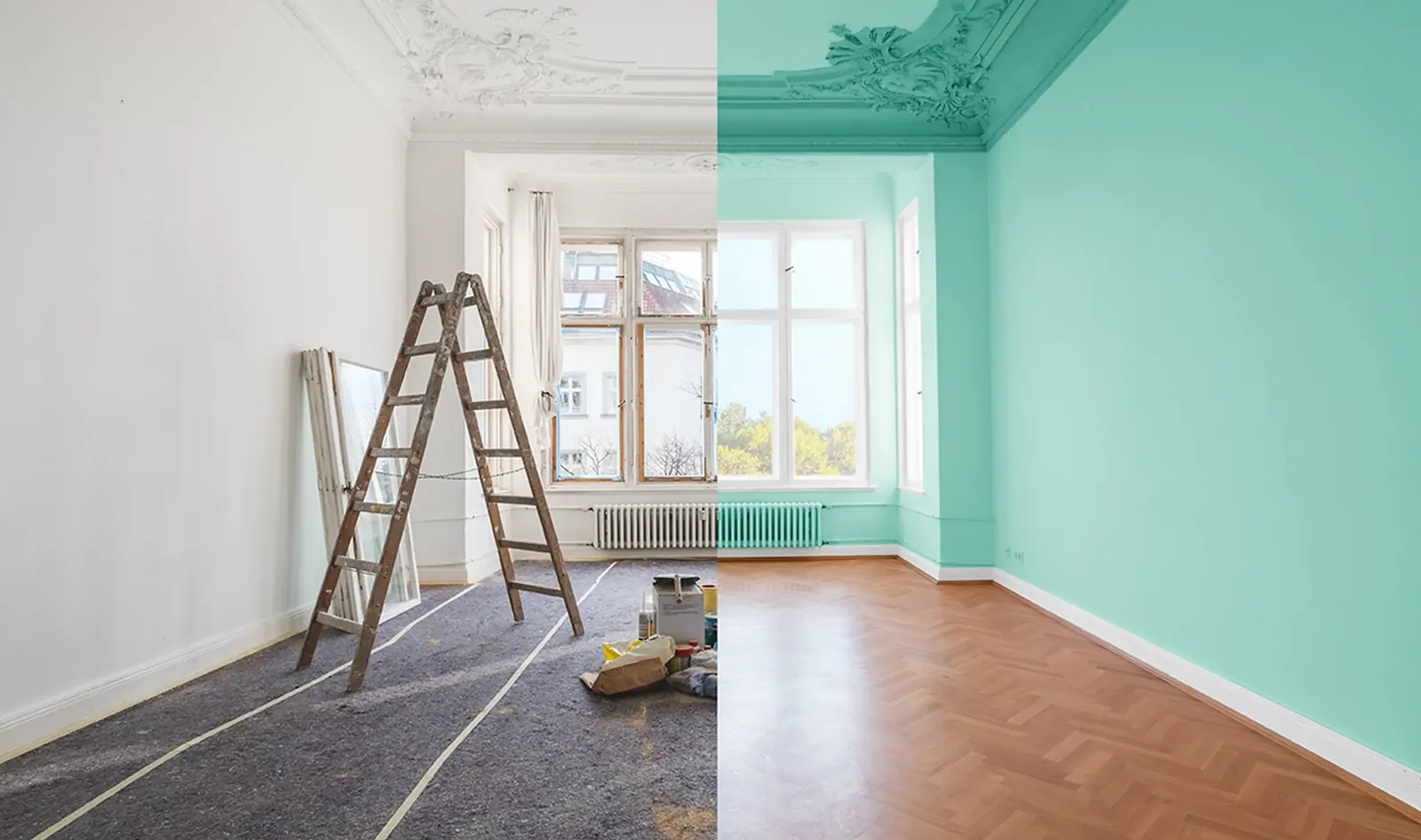
Even within one favorable season, the order elevations are painted matters. East-facing walls warm quickly in morning sun and cool by afternoon, making mid-morning a strong window. West-facing walls stay cooler in the morning but can become uncomfortably hot for both the crew and the paint film by mid-afternoon. Experienced crews sequence a project around this daily pattern, working shaded or cooler elevations during peak heat and saving direct-sun walls for milder parts of the day, rather than simply moving around the house in a fixed order regardless of exposure.
Microclimates Across Metro Atlanta Affect the Ideal Window
Atlanta's metro area is large enough that conditions genuinely vary from one side of town to the other on the same day. Wooded, hillier suburbs like Roswell and parts of Alpharetta hold morning dew and shade longer than open lots, which can delay when a surface is truly dry enough to begin. Denser, more urban areas near the city core often run a degree or two warmer overnight due to the heat-island effect, which can occasionally extend a marginal evening cure window compared to an outlying suburb. None of these differences change the overall seasonal pattern, but they do mean two homes scheduled for the same week can face slightly different day-to-day conditions.
A contractor familiar with your specific area, rather than a generic regional forecast, is more likely to catch these small but meaningful local variations before they affect a project.
Preparation Matters Regardless of the Season You Choose
No seasonal window compensates for skipped preparation. Washing, scraping loose paint, sanding rough transitions, and repairing caulk and wood damage need to happen with enough dry time afterward for the surface to be genuinely ready, not just visually dry. In humid conditions, that dry time often needs to be longer than the label minimum suggests, particularly on porous surfaces like unpainted wood trim or stucco that can hold moisture below the surface even after the top layer feels dry to the touch.
Priming bare wood, patched areas, and any surface with a significant color change is not a step to rush regardless of season, since primer establishes the adhesion and stain-blocking the topcoat depends on.
Planning Around a Realistic Forecast Window
A single sunny day is not automatically a good painting day if rain is expected the following morning before the coating has fully cured, or if the day before was wet and the substrate has not had time to dry. A useful planning window typically requires at least one dry day beforehand for the surface to dry out, favorable conditions during application and immediately after, and no rain expected for a reasonable cure period afterward. The National Weather Service forecast office serving Metro Atlanta provides detailed local forecasts useful for this kind of multi-day planning, well beyond a simple daily high and low.
Let Us Handle the Weather Planning
We monitor multi-day forecasts and surface conditions so your project isn't left to guesswork.
Request a Free Estimate Call 770-847-2468Scheduling a Painting Contractor by Season
| Season | Typical Conditions | Scheduling Note |
|---|---|---|
| Spring (Mar–May) | Improving temps, heavy pollen, frequent rain | Narrow window after pollen, before summer humidity |
| Summer (Jun–Aug) | High heat, humidity, afternoon storms | Early starts, shaded elevations first |
| Fall (Sep–Nov) | Lower humidity, stable temps, less rain | Most favorable — book several weeks ahead |
| Winter (Dec–Feb) | Mild days, cold nights, occasional freezes | Best for touch-ups and smaller scopes |
Because fall books up quickly with reputable local contractors, homeowners aiming for that window benefit from requesting an estimate and reserving a schedule slot well before the season actually arrives. Late summer, roughly early August, is often the practical time to start that conversation, since it allows enough lead time for product selection, color decisions, and any needed repairs before the crew's first available fall date arrives.
Common Timing Mistakes on Atlanta Exterior Projects
Judging conditions by air temperature alone
Surface temperature in direct sun and overnight dew point both matter as much as the daytime high shown in a basic forecast.
Painting immediately after rain
Wood, stucco, and masonry can hold moisture beneath a surface that looks dry, and trapping that moisture under fresh paint can cause blistering or adhesion failure later.
Ignoring the overnight low
A comfortable afternoon does not guarantee the coating cures properly if temperatures drop sharply after sunset before the film has set.
Skipping pollen cleaning in spring
Even a light pollen film left on the surface before painting can affect adhesion and produce a gritty, uneven texture in the finished coat.
Trusting a single-day phone forecast
A quick glance at tomorrow's high temperature does not account for dew point, overnight lows, or the multi-day dry stretch a full cure actually needs. Multi-day, hourly forecast tools give a far more reliable picture than a daily summary alone.
When You Can't Wait for the Perfect Season
Sometimes a repaint cannot wait for an ideal fall window, active water intrusion through failed exterior paint, wood rot accelerating, or a home sale timeline are all legitimate reasons to move forward outside the most favorable months. In these cases, working with an experienced crew that actively manages daily conditions, choosing appropriate products, sequencing elevations by sun exposure, and watching short-term forecasts closely, matters more than the calendar month itself. A well-managed off-season project can still perform reasonably well; an unmanaged one, even during a "good" season, can fail early regardless of the time of year.
If a listing deadline or an active leak is driving the timeline, say so during the estimate conversation. A contractor who understands the real constraint can often prioritize the most weather-sensitive elevations first and phase less urgent surfaces for a more favorable stretch later, rather than treating the entire project as an all-or-nothing decision.
Our Weather-Smart Approach to Exterior Scheduling
We track seasonal windows, daily forecasts, dew point, and surface conditions when planning exterior projects, and we communicate openly if weather requires adjusting a start date, rather than pushing ahead on a marginal day just to keep a schedule on paper. Review finished exterior projects in our project gallery, learn more about our painting company, or confirm coverage on our service areas page.
Ready to lock in your ideal painting window?
We can evaluate your home and provide a free, no-obligation estimate with realistic seasonal timing.
Get Your Free EstimateFrequently Asked Questions
What is the best time to paint exterior Atlanta homes overall?
Fall is often considered the best time to paint exterior Atlanta homes, typically from mid-September through November, because humidity drops, temperatures stay in a moderate range, and rain becomes less frequent than in spring or summer.
Can exterior paint be applied in the summer in Atlanta?
Yes, but timing within the day matters. Early morning application before intense heat and humidity build, avoiding direct afternoon sun on the elevation being painted, produces better results than painting during peak summer heat.
Is it ever too cold to paint an exterior in Georgia?
Yes. Most standard exterior paints require air and surface temperatures above roughly 50 degrees Fahrenheit, with enough remaining daylight for the coating to cure before an overnight temperature drop. Cold-weather formulated products can extend this range somewhat.
Does spring pollen actually affect exterior paint?
Yes. Pollen landing on a wet or tacky surface can become embedded in the finish, and painting during Atlanta's heaviest pollen weeks in March and April increases that risk without careful timing and surface cleaning.
What temperature is too hot to paint exterior siding?
Most exterior paints have a maximum application temperature, often in the upper 80s to low 90s Fahrenheit, listed on the product label. Surface temperature in direct sun can exceed air temperature significantly, so checking the actual siding temperature matters more than the forecast alone.
How far in advance should I schedule exterior painting in Atlanta?
Popular fall and spring windows fill up quickly with reputable contractors, so scheduling four to eight weeks ahead of your preferred season is a reasonable target for most whole-house exterior projects.

About Impeccable Painting Services
We help Metro Atlanta homeowners plan exterior painting projects around real seasonal conditions, from product selection to daily scheduling by sun exposure.
Sources: National Weather Service, Peachtree City / Atlanta Forecast Office; exterior coating manufacturer technical data sheets should govern specific temperature and cure-time decisions.