A front door occupies a small fraction of a home's total exterior surface, yet it draws more attention than the siding, the roof, or the landscaping combined. Getting the color right is one of the highest-impact, lowest-cost decisions a homeowner can make, and getting it wrong is just as noticeable to everyone who walks up the driveway.
Front Door Paint Color Atlanta: The Practical Answer
There is no single "correct" front door color for every Atlanta house. A brick colonial in Marietta, a craftsman bungalow in Decatur, and a modern build in Alpharetta all carry different materials, proportions, and neighborhood expectations. The right process starts with what is permanent on the house, the brick, stone, or siding, and works forward from there rather than starting from a color someone liked on social media.
Color is also only half of a successful project. A door exposed to direct afternoon sun needs a different preparation and product approach than a shaded, covered entry, which is why our door painting service in Atlanta treats color and durability as one decision rather than two.
Why the Front Door Carries More Visual Weight Than Any Other Exterior Surface
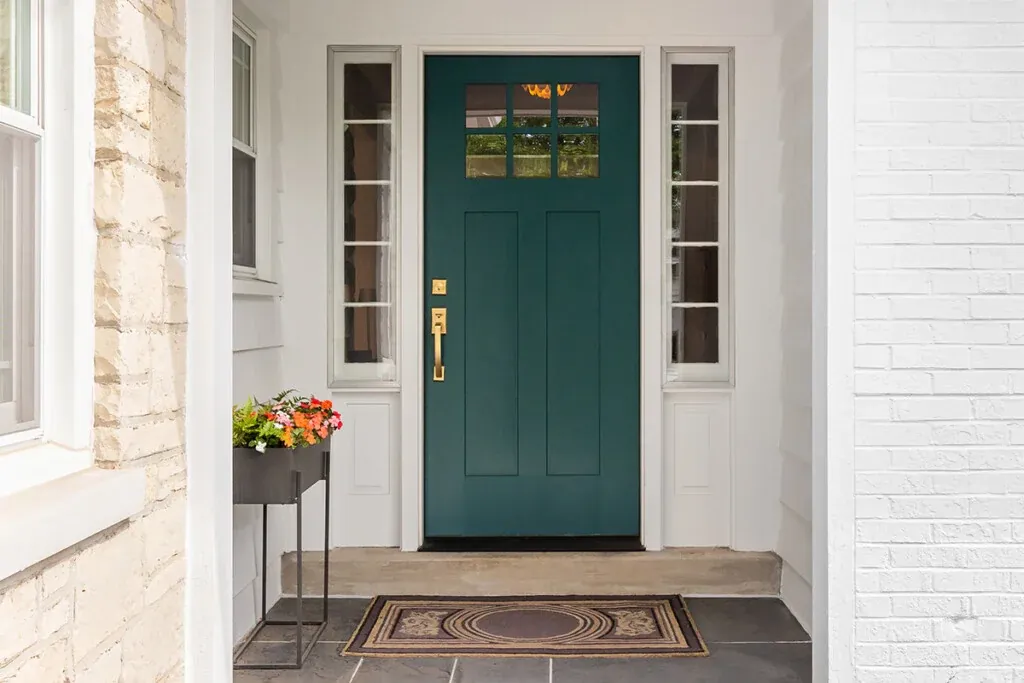
Every visitor, delivery driver, and passerby looks directly at the front door because it marks the entrance, the one element on the facade with an obvious function. That built-in attention means small color decisions on the door read much larger than the same decision would on a wall.
The 60-30-10 rule applied to a single door
Designers often use a 60-30-10 ratio, a dominant color, a secondary color, and an accent, to build a balanced palette. On a house exterior, siding or brick is usually the 60 percent, trim is the 30 percent, and the front door paint color becomes the 10 percent accent. That accent role is exactly why a door can carry a bolder color than would feel comfortable across an entire facade: it is a small, contained pop rather than an overwhelming field of color.
Match Your Home's Architectural Style Before You Match a Trend
A door color that looks sophisticated on a modern build can look out of place on a traditional colonial, and the reverse is just as true. Style should filter every color decision before personal preference narrows the list further.
Craftsman and bungalow homes
Common throughout Decatur, Kirkwood, and East Atlanta, craftsman bungalows pair naturally with earthy, saturated colors: deep red, forest green, mustard, or a rich blue-black. These homes typically feature warm wood tones and exposed brackets, so a door color with some warmth usually feels more cohesive than a stark cool tone.
Colonial and traditional brick homes
Symmetrical brick colonials common in Marietta, Sandy Springs, and Dunwoody read well with classic, formal colors: black, navy, hunter green, or a soft on-trend sage. These homes tend to reward restraint over a loud statement color, since the architecture itself already provides visual structure.

Ranch and mid-century homes
Low-slung brick ranches, common throughout many older Atlanta suburbs, often carry long, horizontal lines and understated trim. A confident, saturated door color, such as a deep teal, burnt orange, or mustard, can give a ranch home a focal point it otherwise lacks, since the flat roofline and modest entry rarely provide one on their own.
Modern and contemporary builds
Newer construction in Alpharetta and parts of the city favors high-contrast, minimal palettes. Matte black, deep charcoal, or a bold single accent against light siding tends to look intentional, while pastel or overly warm colors can clash with the clean lines these homes are designed around.
Not sure which direction fits your home?
We can bring sample boards to your actual entry and evaluate them against your brick, siding, and lighting.
Request a Free Estimate Call 770-847-2468Choosing a Front Door Paint Color Against Brick, Stone, and Siding
Warm brick vs. cool brick undertones
Metro Atlanta has an enormous amount of brick housing stock, and brick undertone matters more than most homeowners expect. Warm, orange-red brick common in older neighborhoods pairs comfortably with black, deep green, navy, or a warm red that leans into the brick rather than fighting it. Cooler, brown-gray, or painted brick allows more flexibility, including cooler blues and even a crisp white door with black hardware.
Hold an actual paint chip against the brick in daylight rather than guessing from memory. Brick color varies more than people expect between full sun and shade, and a chip that looked perfect at the store can shift noticeably once it is next to the real material.
Stone accents and stacked-stone entries
Stone accents around an entry, common on many newer Atlanta builds, tend to contain gray, tan, and sometimes a hint of blue or rust. A door color that echoes one of those undertones, rather than introducing an unrelated hue, usually looks more deliberate.
HOA Rules and Historic District Guidelines in Metro Atlanta
Many subdivisions across Cobb, Fulton, and Gwinnett counties maintain architectural review guidelines that include approved exterior colors, and some require a submission before any front door color change. Historic districts such as Inman Park, Grant Park, and Druid Hills often have additional design guidelines intended to preserve the character of older homes. The National Trust for Historic Preservation publishes general guidance on maintaining the character of historic properties, which is a useful starting point before assuming any bold color is automatically acceptable in a designated district.
Checking these requirements before buying paint, not after, avoids a repaint that never should have needed to happen.
Most architectural review processes ask for a paint chip or product name and sheen rather than a full application, and turnaround is often measured in days rather than weeks. Submitting two or three finalist colors at once, rather than one at a time, can shorten the back-and-forth considerably if the first choice is declined. Keep the approval documentation with your home records, since a future buyer or a repaint years later may need to reference the same approved color.
Popular Front Door Colors and What They Signal
- Black or near-black: formal, timeless, and nearly universal against brick, siding, and stone.
- Deep navy: a softer alternative to black with strong versatility on both traditional and modern homes.
- Warm red: classic and welcoming, especially effective against warm brick and wood-tone trim.
- Hunter or forest green: pairs naturally with brick, stone, and dense landscaping common in wooded Atlanta lots.
- Teal or deep blue-green: a distinctive, on-trend choice that still reads as sophisticated rather than trendy when paired with neutral siding.
- Warm charcoal: a flexible, slightly softer alternative to solid black that works well in both traditional and contemporary settings.
Explore inspiration from color libraries like Sherwin-Williams and Benjamin Moore, but always confirm the final choice with a physical sample at the actual door.
Sheen and Durability for an Exterior Door
A front door needs more sheen and durability than an interior wall. Semi-gloss and gloss exterior enamels resist handling, weather, and cleaning far better than a flat or matte finish, and higher sheen also makes the color read richer in direct sunlight. On a door with strong afternoon sun exposure, a dedicated exterior door enamel with UV-resistant pigments will hold its color longer than standard trim paint repurposed for the job.
Testing Front Door Paint Color Before You Commit
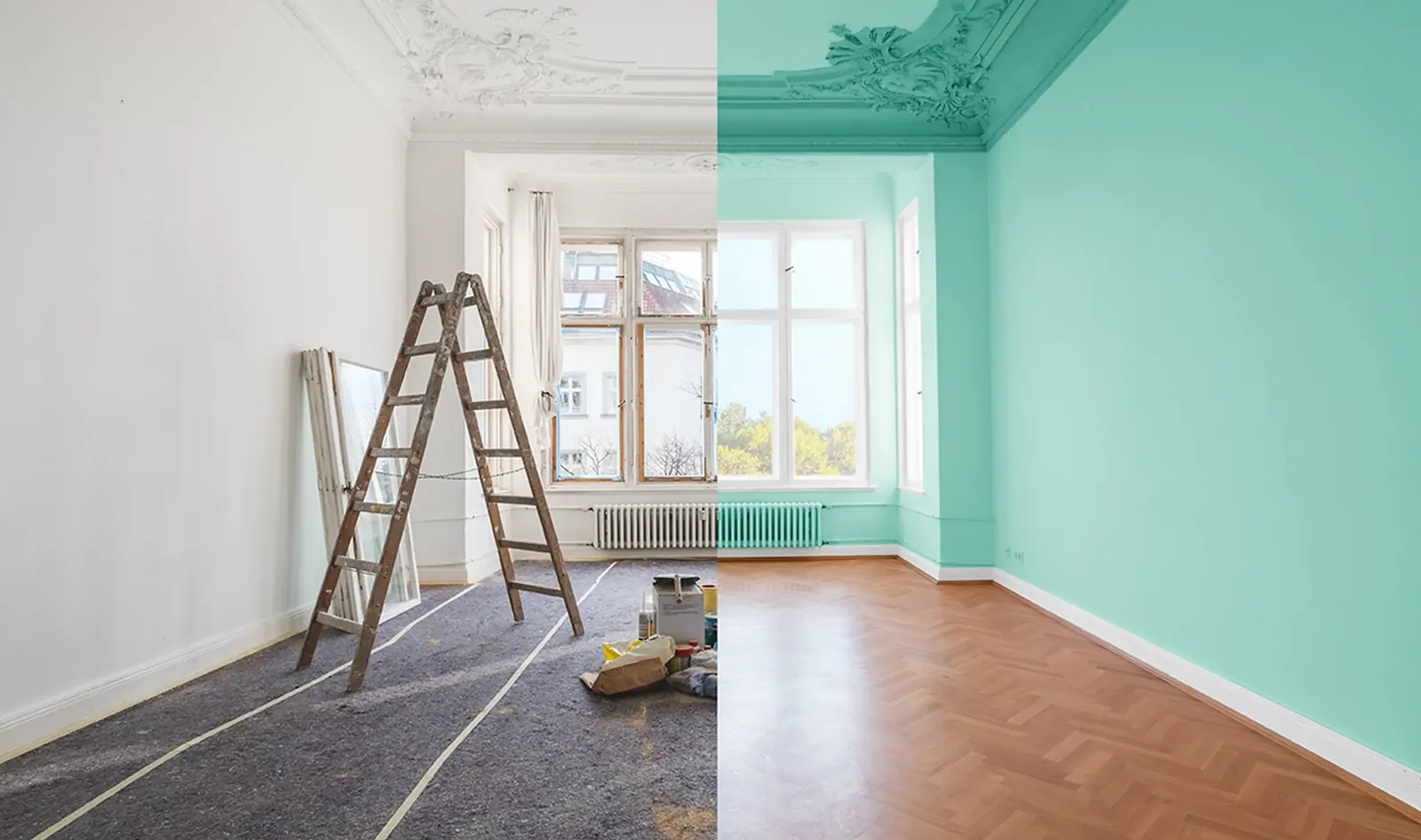
Paint a large sample, at least a two-foot square, on poster board rather than directly on the door, and hold it against the entry at different times of day. Morning and afternoon light change color perception dramatically, and a shaded, north-facing entry will show a color very differently than a sun-drenched south-facing one. View the sample from the street and from the driveway, since that is the distance most people will actually experience the color from.
Digital visualizer tools from paint manufacturers can help narrow a starting direction, but screen colors are calibrated inconsistently across devices and cannot substitute for a physical sample viewed in real daylight. Treat online tools as a way to shortlist two or three finalists, then let an actual painted sample on your own porch make the final call.
Painting Wood, Fiberglass, and Steel Doors Differently
Door material changes the entire preparation and product strategy. Solid wood doors are porous and move seasonally with humidity, so they benefit from breathable, flexible exterior enamel and careful attention to the top and bottom edges where moisture enters first. Fiberglass doors often arrive with a factory finish that needs to be deglossed and primed with a bonding primer before new paint will adhere properly. Steel doors need rust-inhibiting primer on any exposed metal and are less forgiving of moisture trapped under a coating, since trapped moisture against bare steel can corrode the door from the inside out.
Get the Right Prep for Your Door Material
We identify the door material and existing coating before recommending a color and product plan that will actually last.
Explore Door Painting Call 770-847-2468Preparation Steps for a Front Door Finish That Lasts
Remove hardware or mask it carefully, clean the surface to remove grime and pollen, a real factor during Atlanta's spring pollen season, and sand to dull any existing gloss so new paint has something to grip. Fill any dents or dings, spot-prime bare wood or metal, and paint in mild, dry weather rather than direct high-heat sun, which can cause the coating to skin over before it levels properly. Removing the door and laying it flat on sawhorses, when practical, produces a smoother finish than painting it vertically in place.
Coordinating Hardware, Trim, and House Numbers
Hardware finish should relate to the door color rather than compete with it. Matte black hardware pairs naturally with nearly every door color on this list, while warm brass or aged bronze pairs especially well with red, green, and warm neutrals. House numbers and a light fixture near the door are part of the same visual composition and are worth reviewing at the same time as the color decision, since a dated fixture can undercut an otherwise well-chosen color.
Weatherstripping and a kickplate, if present, are easy to overlook during a color refresh but age visibly next to a brand-new coat of paint. Cleaning or replacing worn weatherstripping and touching up a scuffed kickplate at the same time as painting produces a noticeably more finished result than a beautiful door color surrounded by tired hardware.
The Practical Value of a Freshly Painted Front Door
A front door repaint is one of the least expensive exterior updates a homeowner can make relative to the visual change it produces. Unlike a full exterior repaint, replacing a door, or landscaping work, refinishing an existing door typically takes a single day and does not require specialty materials beyond quality exterior enamel and proper preparation. For homeowners preparing to sell, list a rental, or simply refresh curb appeal before a gathering, a well-executed door color change delivers a disproportionate amount of visible improvement for the time and cost involved.
The value depends entirely on execution. A rushed job with visible brush marks, uneven coverage, or a color that fights the brick can look worse than a clean, faded original door. This is why professional preparation and application, not just color selection, protects the investment.
Real estate agents frequently mention the front door as one of the first details buyers notice on a showing, since it is the last thing seen before stepping inside. Whether or not a sale is on the horizon, a door that looks cared for signals that the rest of the home has likely received the same attention, which is a meaningful, if intangible, part of a strong first impression.

Common Front Door Color Mistakes
Choosing a front door paint color in isolation from the house
A color that looks great on a screen or a neighbor's door may clash with your specific brick or siding undertone. Always test against the actual materials on your own home rather than approving a chip in isolation.
Ignoring the HOA or historic district process
Painting first and asking questions later can mean repainting the door a second time at your own expense. Confirm approval requirements before buying paint.
Using interior paint on an exterior door
Interior paint lacks the UV inhibitors and flexibility exterior products are built with, and it will fade, chalk, or crack noticeably faster on a door exposed to direct sun.
Skipping primer on a color change
Going from a dark door to a light color, or vice versa, without appropriate primer often requires extra coats and can result in uneven coverage or bleed-through.
Forgetting that the door swings both ways
The interior face of a front door is visible from inside the home every time it opens, and it is often forgotten during an exterior-focused project. Decide intentionally whether the inside face should match the exterior color, coordinate with interior trim, or receive its own separate treatment, rather than leaving an unfinished edge where the two meet.
Maintaining a Painted Front Door in Atlanta's Climate
Atlanta's combination of intense summer UV, high humidity, and occasional winter freeze puts real stress on an exterior door finish. Wipe the door down periodically to remove pollen and grime, inspect the bottom edge and weatherstripping for wear, and address chips or scratches quickly before moisture can get underneath the coating. A door under a covered porch will hold its finish considerably longer than one fully exposed to weather, which is worth factoring into how often touch-ups should be expected.
Keep a small labeled amount of the exact door paint for touch-ups, since color matching an aged, sun-exposed finish months or years later rarely produces an invisible repair. A quick seasonal check after Atlanta's pollen-heavy spring and after summer storms catches small issues while they are still a five-minute fix rather than a full repaint.
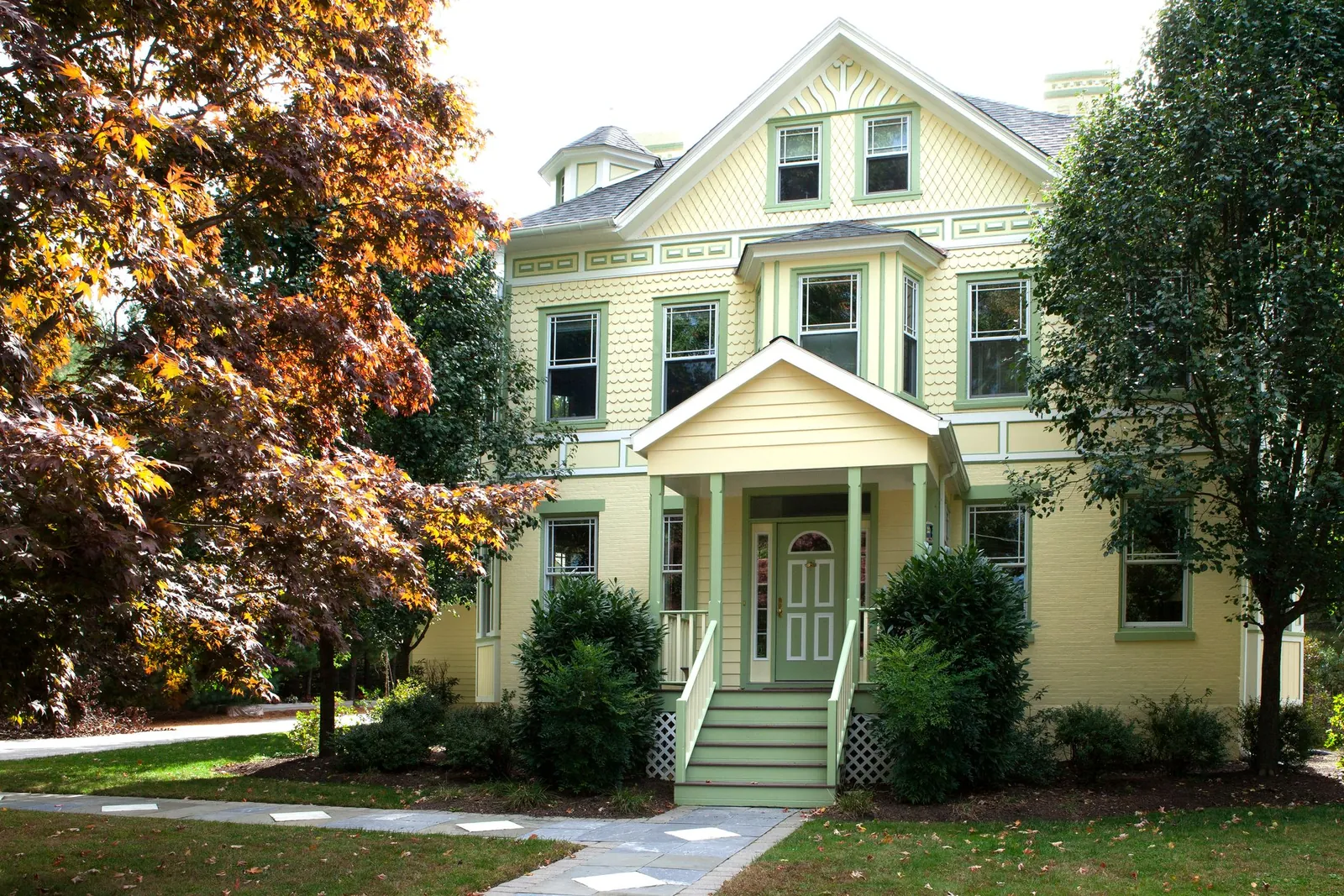
What Our Door Painting Process Includes
We evaluate the door material, existing coating, hardware, and sun exposure before recommending a color and product system built to last in Georgia's climate. See finished examples in our project gallery, learn more about our painting company, or confirm coverage on our service areas page.
Ready to give your entry a new focal point?
We can inspect your door, discuss color direction, and provide a free, no-obligation estimate.
Get Your Free EstimateFrequently Asked Questions
What is the most popular front door paint color in Atlanta right now?
Black, deep navy, and warm charcoal remain the most requested shades because they pair reliably with brick, stone, and most siding colors common in Metro Atlanta neighborhoods. Bold colors like red and deep green are popular on craftsman and traditional homes.
Does my HOA have to approve a front door paint color?
Many Metro Atlanta subdivisions and historic districts do require approval for exterior color changes, including the front door. Check your HOA covenants or district design guidelines before purchasing paint.
What sheen should I use on an exterior front door?
Semi-gloss or gloss exterior enamel is typically best. Higher sheen resists handling and weather better than flat or matte paint, and it also makes the color appear richer.
Can I paint a fiberglass or steel front door the same way as a wood door?
No. Each material needs a different preparation and primer approach. Fiberglass and steel typically need a bonding or rust-inhibiting primer and a different sanding technique than solid wood, which is more porous and moves seasonally.
How often does a front door need to be repainted in Atlanta?
A south- or west-facing door under direct sun may need attention every two to four years, while a shaded, covered entry can go longer. UV exposure, not just age, drives most front door repainting schedules.
Should the front door match the shutters?
They do not have to match exactly, but they should relate. Repeating the same color, or coordinating a bold door with quieter shutters, usually looks more intentional than two unrelated colors competing for attention.

About Impeccable Painting Services
We help Metro Atlanta homeowners choose and apply exterior colors that hold up to Georgia weather, from front doors and trim to full exterior repaints.
Sources: Sherwin-Williams Color; Benjamin Moore Paint Colors; National Trust for Historic Preservation.