Ask five different companies for a popcorn ceiling quote and you may get five different numbers, not because contractors are guessing, but because the scope hides more variables than the phrase "remove the popcorn ceiling" suggests. Understanding those variables is the fastest way to tell a fair estimate from a padded or an incomplete one.
Popcorn Ceiling Removal Cost Atlanta: The Practical Answer
Homeowners searching for a flat per-square-foot number are often disappointed, because two ceilings of identical size can require completely different amounts of labor depending on what is discovered once the texture comes down. A written, in-person estimate is the only reliable way to know your actual popcorn ceiling removal cost, but understanding the variables below helps you evaluate whether a quote is reasonable and complete, and helps you ask sharper questions when comparing bids from different contractors.
Our popcorn ceiling removal service in Atlanta handles testing coordination, containment, removal, repair, and finish painting as one connected scope rather than a patchwork of separate trades.
Asbestos Testing Comes Before Any Cost Discussion
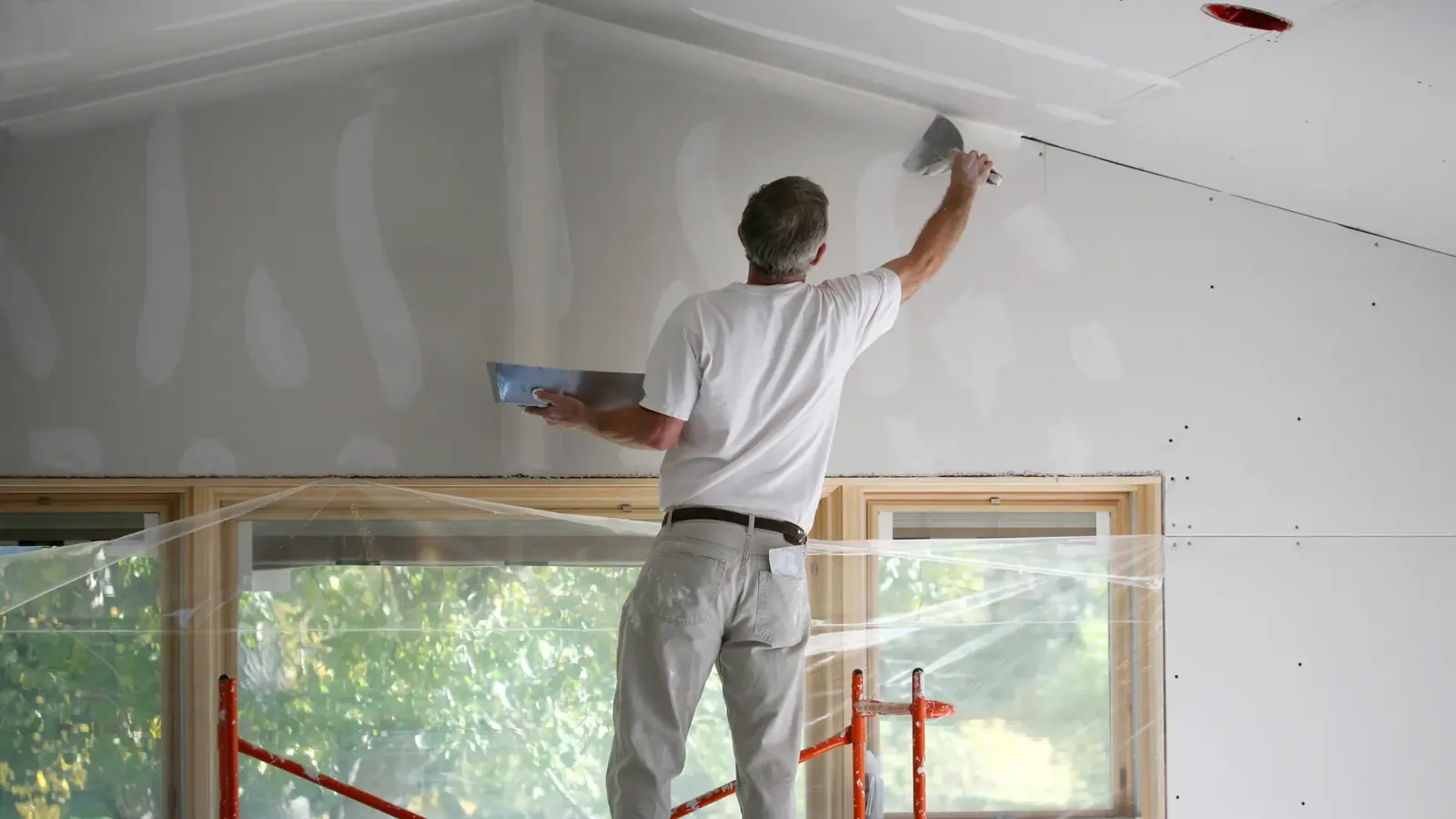
Textured ceilings installed before the early 1990s may contain asbestos, since it was a common additive in spray and trowel-applied ceiling texture products for decades before regulations tightened. The U.S. Environmental Protection Agency's asbestos program explains that undisturbed asbestos-containing material is generally not a hazard, but that scraping, sanding, or otherwise disturbing it can release fibers into the air.
If your Atlanta home's ceiling texture predates the early 1990s, or you simply do not know its age, a laboratory test on a small sample is inexpensive relative to the risk of skipping it. If asbestos is present, remediation must follow specialized abatement procedures rather than standard scraping, which adds cost but is not optional. This single variable, tested or untested, older home or newer, is often the biggest swing factor in a popcorn ceiling removal cost estimate before any other scope decision is made.
The testing process itself is straightforward: a small sample is carefully collected using methods that limit disturbance, sealed, and sent to an accredited laboratory for analysis. Results typically return within a few business days, and a reputable contractor should be willing to explain what the report means in plain terms rather than simply forwarding a technical document. If a homeowner has had any area of the ceiling tested previously, sharing that documentation can sometimes avoid the need for a second round of sampling in the same room.
Not sure if testing applies to your home?
We help coordinate sampling and explain results in plain language before any removal work begins.
Request a Free Estimate Call 770-847-2468What Actually Drives Popcorn Ceiling Removal Cost
- Square footage: larger ceilings cost more in total, though per-square-foot pricing often improves with scale.
- Texture thickness and age: older, heavily reapplied texture can take longer to saturate and scrape than a single thin coat.
- Ceiling height: vaulted, cathedral, and stairwell ceilings require scaffolding or lift equipment that flat, standard-height ceilings do not.
- Drywall condition underneath: water stains, cracked seams, and nail pops discovered during removal add repair time.
- Furniture and fixture removal: rooms with ceiling fans, recessed lighting, or built-ins take longer to prepare and protect.
- Finish expectations: a fully primed and painted smooth ceiling costs more than removal alone left unfinished.
Multiple layers from prior remodels
Some ceilings have been retextured more than once over the decades, with a newer layer applied directly over an older one instead of full removal. When this happens, a wet-scrape crew may find two distinct layers with different saturation rates, which slows the process and increases labor time beyond what the visible texture alone would suggest. A brief test scrape in an inconspicuous area during the estimate visit helps flag this possibility before it becomes a surprise mid-project.

Wet-Scrape vs. Skim Coat: Two Different Price Points
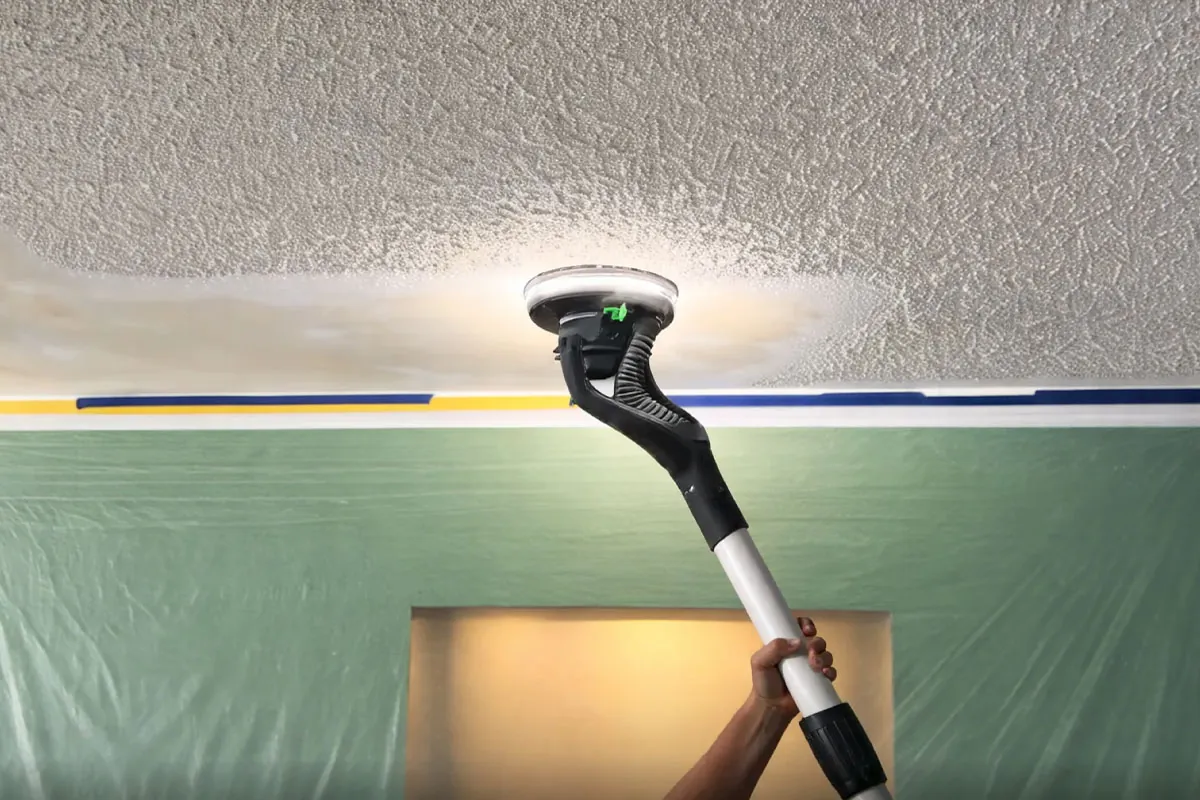
Traditional wet-scrape removal saturates the texture with water, allowing it to be scraped off in sections down to the original drywall or plaster. This method works well on ceilings in good condition but can reveal seams, fastener patterns, and imperfections that were previously hidden by the texture, all of which need to be addressed before painting.
A skim coat approach applies a thin layer of joint compound directly over the existing texture, essentially burying it under a new smooth surface rather than removing it. This can be faster and less disruptive on a ceiling in reasonably sound condition, but it adds height and weight rather than removing material, and it is not an appropriate shortcut on a ceiling that has failed asbestos testing, since the original material remains in place.
Ceiling Height and Access Change the Labor Equation
A standard eight- or nine-foot ceiling allows a crew to work from a step ladder with straightforward footing. Vaulted great rooms, two-story foyers, and stairwells common in many Atlanta homes require scaffolding, plank systems, or mechanical lifts, along with additional safety planning. That equipment and setup time is a real cost even before the first square foot of texture comes down, which is why a vaulted living room typically costs meaningfully more per square foot than a flat bedroom ceiling of similar size.
Get an Accurate, Room-by-Room Quote
We measure height, access, and texture condition on-site so your estimate reflects your actual ceilings, not a generic average.
Request a Free EstimateDrywall Repairs After Removal Are Common, Not Rare
It is normal, not a sign of a bad estimate, to discover water stains, cracked joints, or uneven drywall once the texture is removed. Texture is remarkably good at hiding minor ceiling defects that have been present for years. Our drywall repair service addresses these findings as part of the same project rather than treating them as a surprise change order, and a thorough estimate should include a reasonable allowance for this possibility rather than assuming a perfect surface underneath.
Ceiling seams that were never properly taped, a common shortcut in older, budget-built homes, are another frequent discovery once texture is stripped away. These seams need to be reinforced and finished flush before priming, since texture was often doing double duty as both decoration and a way to visually mask an imperfect taping job from decades earlier.
Typical Cost Variation by Room Type
While exact numbers depend on your specific home, the relative cost relationship between room types is fairly consistent across most Atlanta projects:
| Room Type | Relative Cost Driver |
|---|---|
| Standard bedroom, flat ceiling | Lowest — easy access, minimal fixtures |
| Hallway or closet | Low, but tight spaces slow scraping |
| Kitchen with recessed lighting | Moderate — fixture removal adds time |
| Vaulted great room or two-story foyer | Highest — access equipment required |
| Stairwell ceiling | Highest — specialized access and safety setup |
Whole-house removal across multiple room types is usually priced as a combined project rather than room-by-room math, since setup, containment, and cleanup are shared across the full scope. Homeowners who plan to eventually remove texture throughout the house often find it more cost-effective to schedule several rooms together than to call a crew back separately for each one, since mobilization, containment setup, and equipment rental are largely one-time costs rather than per-visit expenses.
Containment and Disposal Are Part of the Price
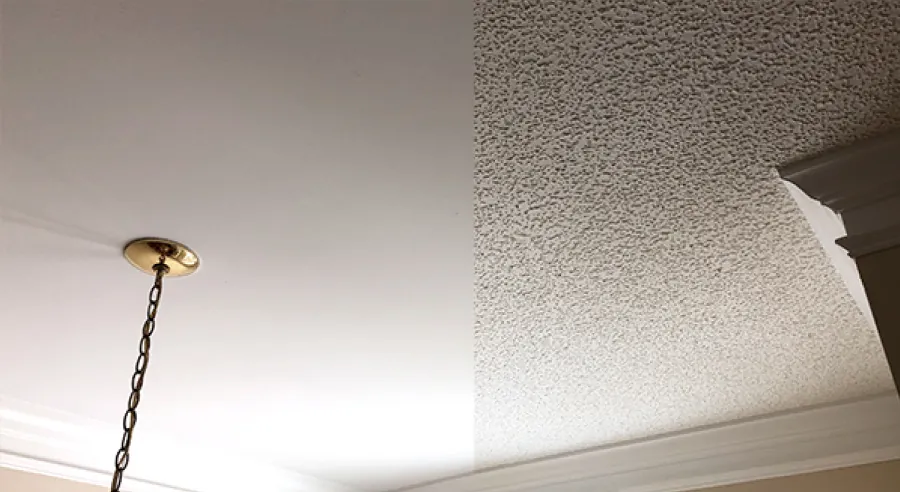
Removed texture, whether tested clear or handled as abatement, needs to be bagged, hauled, and disposed of properly rather than swept into a household trash bin. Professional crews use plastic sheeting to seal off the work area, protect flooring, and contain debris, which limits dust migrating into the rest of the home during an occupied renovation. This containment labor is a legitimate line item, not padding, particularly in a home where other rooms remain in use during the project.
DIY vs. Professional Removal: Where the Real Costs Hide
A DIY wet-scrape kit is inexpensive to buy, which makes popcorn ceiling removal look like an easy weekend project on paper. The real costs that often get missed include asbestos testing skipped for convenience, drywall damage from over-aggressive scraping, water damage to walls and flooring from oversaturating texture, and the time and material needed to properly skim, sand, prime, and paint a ceiling to a smooth, professional-looking result. A ceiling that looks acceptable from across the room can look uneven and wavy under raking light from a window or lamp, a flaw that is difficult to correct after the fact without redoing significant sections.
A hybrid approach some homeowners choose is doing their own furniture removal and floor protection while hiring a professional crew for the actual scraping, repair, and finish work. This can reduce total cost modestly without sacrificing the technical steps where experience matters most, though it requires coordinating timing so the room is genuinely ready when the crew arrives.
Home Age and Popcorn Ceilings Across Metro Atlanta
Popcorn texture appears most often in homes built between the 1960s and the early 1990s, a period that covers a large share of the housing stock in established Atlanta suburbs like Decatur, Marietta, and parts of Dunwoody, as well as many split-level and ranch homes throughout Cobb and DeKalb counties. Newer construction in areas like Alpharetta and Johns Creek rarely has it, since smooth or lightly textured ceilings became the standard well before those neighborhoods were built out.
Knowing your home's approximate construction era, and whether the ceiling has been touched since, is a useful starting point before scheduling testing, since it sets a reasonable expectation for whether asbestos content is even a realistic concern.
Is Removal Always Necessary? A Few Honest Alternatives
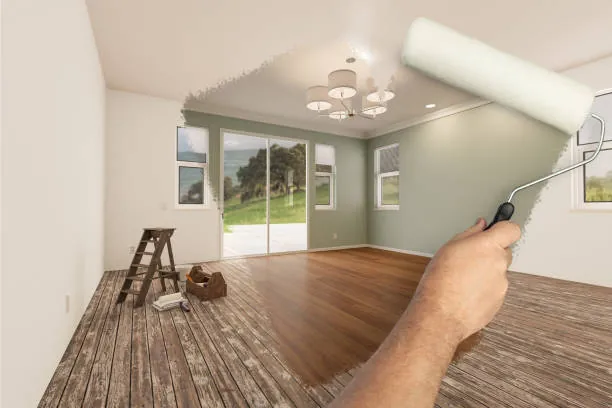
Full removal is not the only path forward, though it is usually the most durable one. Some homeowners choose to skim coat over sound, tested-clear texture instead of scraping it away entirely, trading a small amount of ceiling height and a slightly different repair profile for a faster project. Others simply repaint the existing texture with a fresh coat to brighten a room while planning full removal for a later phase of a larger renovation, which is a reasonable short-term option as long as the ceiling is not a known asbestos concern.
What we do not recommend is covering a textured ceiling with a drop ceiling or decorative panel system as a way to avoid the removal question entirely. This approach lowers ceiling height, can trap moisture against the original surface, and typically needs to be undone anyway if the home is ever renovated further, effectively delaying the same decision rather than resolving it.
Priming, Painting, and the Final Finish
Bare, repaired drywall needs a stain-blocking primer before paint, especially over areas that previously had water staining, to prevent old marks from bleeding through a fresh coat. A flat ceiling paint is standard for hiding minor imperfections, while a slightly higher sheen can make a small room feel taller but will also show any remaining texture or repair unevenness more readily. Factoring this finish stage into the budget from the start avoids a mismatch between "removal" and "a finished, paintable ceiling."
Financing a Popcorn Ceiling Removal Project
Because scope can expand once a ceiling is opened up, whether from unexpected repairs, testing requirements, or a decision to bundle several rooms into one project, homeowners sometimes plan for financing rather than paying entirely out of pocket. Our financing options page outlines available plans for homeowners who want to move forward with a full whole-house project rather than tackling one room at a time, which can also reduce the per-room cost since setup, containment, and cleanup are shared across a larger scope.


How to Read a Popcorn Ceiling Removal Estimate
A complete written estimate should specify which rooms and square footage are included, whether asbestos testing is part of the scope or handled separately, the removal method, an allowance or process for unexpected drywall repairs, disposal responsibility, and whether priming and painting are included or quoted separately. Estimates that quote only "removal" without addressing these items are incomplete, and comparing two quotes with different inclusions as if they were equivalent numbers is a common way homeowners end up surprised by a final bill.
Before signing, walk through the document and confirm it names the specific rooms and approximate square footage, states whether testing has already happened or still needs to happen, describes what counts as an unexpected repair versus what is already included, and spells out the finish, primed only, or primed and painted, that the price reflects. A contractor who welcomes these questions is generally more confident in their own scope than one who prefers to keep the estimate vague.
Compare Your Quote With a Full, Written Scope
We provide itemized estimates that separate testing, removal, repairs, and finish painting so nothing is left to guesswork.
Explore Popcorn Ceiling Removal Call 770-847-2468Common Mistakes When Budgeting for Popcorn Ceiling Removal
Skipping asbestos testing to save time
The cost of a sample test is minor compared to the cost, and health risk, of disturbing asbestos-containing material without knowing.
Assuming popcorn ceiling removal cost is a flat price per square foot
Height, access, texture condition, and finish expectations change the number far more than square footage alone, which is why a fair estimate always starts with an in-person walk-through rather than a phone quote.
Forgetting to budget for drywall repair
Texture almost always hides some degree of imperfection. An estimate with zero allowance for repair is likely to change once work begins.
Choosing the lowest bid without comparing scope
A lower number that excludes disposal, priming, or repair is not actually a lower total cost once those items are added back in later.
Not planning for room downtime
Furniture needs to be moved or covered, and the room is typically unusable for daily activities during scraping, drying, and painting. Scheduling around this, rather than discovering it the morning work begins, keeps a household running smoothly during the project.
Our Popcorn Ceiling Removal Process
We start with an on-site inspection, coordinate testing when the home's age warrants it, and provide a written scope covering removal method, repairs, disposal, and finish, so every homeowner knows exactly what is included before work begins. Review completed examples in our project gallery, learn more about our painting company, or confirm coverage on our service areas page.
Ready for an accurate, itemized quote?
We can inspect your ceilings and provide a free, no-obligation estimate with no hidden line items.
Get Your Free EstimateFrequently Asked Questions
What is the average popcorn ceiling removal cost in Atlanta?
There is no single reliable average because scope, ceiling height, texture thickness, repair needs, and testing requirements vary widely between homes. A written, room-by-room estimate after an in-person inspection is the only accurate way to know your price.
Do I need to test for asbestos before removing a popcorn ceiling?
If your home was built or the ceiling was textured before the early 1990s, testing is strongly recommended before any scraping or sanding begins. The EPA notes that materials made before that period may contain asbestos, and disturbing it without testing is a real health risk.
Why does popcorn ceiling removal cost more in some rooms than others?
Ceiling height, furniture and light fixture removal, texture thickness, water stains, and the condition of the drywall underneath all add labor. A vaulted great room ceiling costs more to prepare and finish than a standard flat bedroom ceiling of the same square footage.
Can popcorn ceiling removal cost be reduced by skimming instead of full removal?
A skim coat over existing texture can sometimes cost less than full wet-scrape removal on a sound ceiling, but it is not appropriate for a ceiling that has tested positive for asbestos, since the original material stays in place rather than being removed.
Is popcorn ceiling removal messy?
Yes, without proper containment. Professional crews use plastic sheeting, floor protection, and controlled wetting or scraping methods to limit dust and debris, but homeowners should still plan for some disruption to the room during the project.
How long does popcorn ceiling removal take?
A single average room can often be completed in a day, while whole-house removal with repairs, priming, and painting typically spans several days depending on square footage and repair scope.

About Impeccable Painting Services
We help Metro Atlanta homeowners modernize dated ceilings with transparent, itemized estimates covering testing coordination, removal, repair, and finish painting.
Sources: U.S. EPA: Asbestos; OSHA: Asbestos.