Vinyl siding was designed to be a low-maintenance, "never paint again" material, which is exactly why the rules for painting it are so specific. Get the color and product wrong and the siding itself can warp; get them right and a tired, faded exterior can look brand new for a fraction of replacement cost, without the physics working against you.
Painting Vinyl Siding Atlanta: The Practical Answer
Vinyl siding expands and contracts with temperature more than wood, fiber cement, or masonry, and it was engineered around specific factory colors chosen partly for their heat performance. Painting it does not eliminate that physics; it simply means the new color and product need to respect the same limits the original manufacturer did, throughout every elevation of the house, not just the shaded side.
Our exterior painting team in Atlanta evaluates siding condition, existing color, and sun exposure before recommending whether painting or replacement is the better path for a specific home, and before any color sample is even mixed.
Can Vinyl Siding Actually Be Painted?
Painting vinyl siding and warranty considerations from manufacturers
Yes, vinyl siding can be painted, and it has become common enough that major paint manufacturers now produce dedicated vinyl-safe product lines. The persistent myth that vinyl "can't" be painted usually comes from early experiences with standard exterior paint, which lacks the flexibility to move with vinyl's thermal expansion and often peeled or cracked within a season or two. Modern vinyl-specific formulations solve that problem directly, which is why the "can you paint vinyl siding" question increasingly comes down to product and color choice rather than a flat yes or no.
How Atlanta's Climate Affects a Painted Vinyl Exterior
Metro Atlanta's combination of intense summer sun, high humidity, and a long warm season puts real, sustained stress on vinyl siding compared to cooler, drier climates. Panels on south- and west-facing elevations spend more hours under direct, high-angle summer sun than in much of the country, which means the LRV guidelines discussed below matter more here than they would in a milder climate. Humidity also affects how quickly the surface dries after washing and after painting, so allowing extra dry time between steps, rather than rushing to match a tight schedule, protects the final result and the coating's long-term adhesion.
Pollen season adds another practical wrinkle. A siding wash and paint job completed just before Atlanta's heavy spring pollen arrives can end up with pollen embedded in a still-curing finish, which is one more reason project timing deserves the same attention on vinyl as it does on any other exterior surface. Fall, once pollen has cleared and before winter's cooler, drier air arrives, is often the most forgiving stretch of the calendar for a vinyl repaint in this climate.
Common Vinyl Siding Profiles and How They Affect Painting
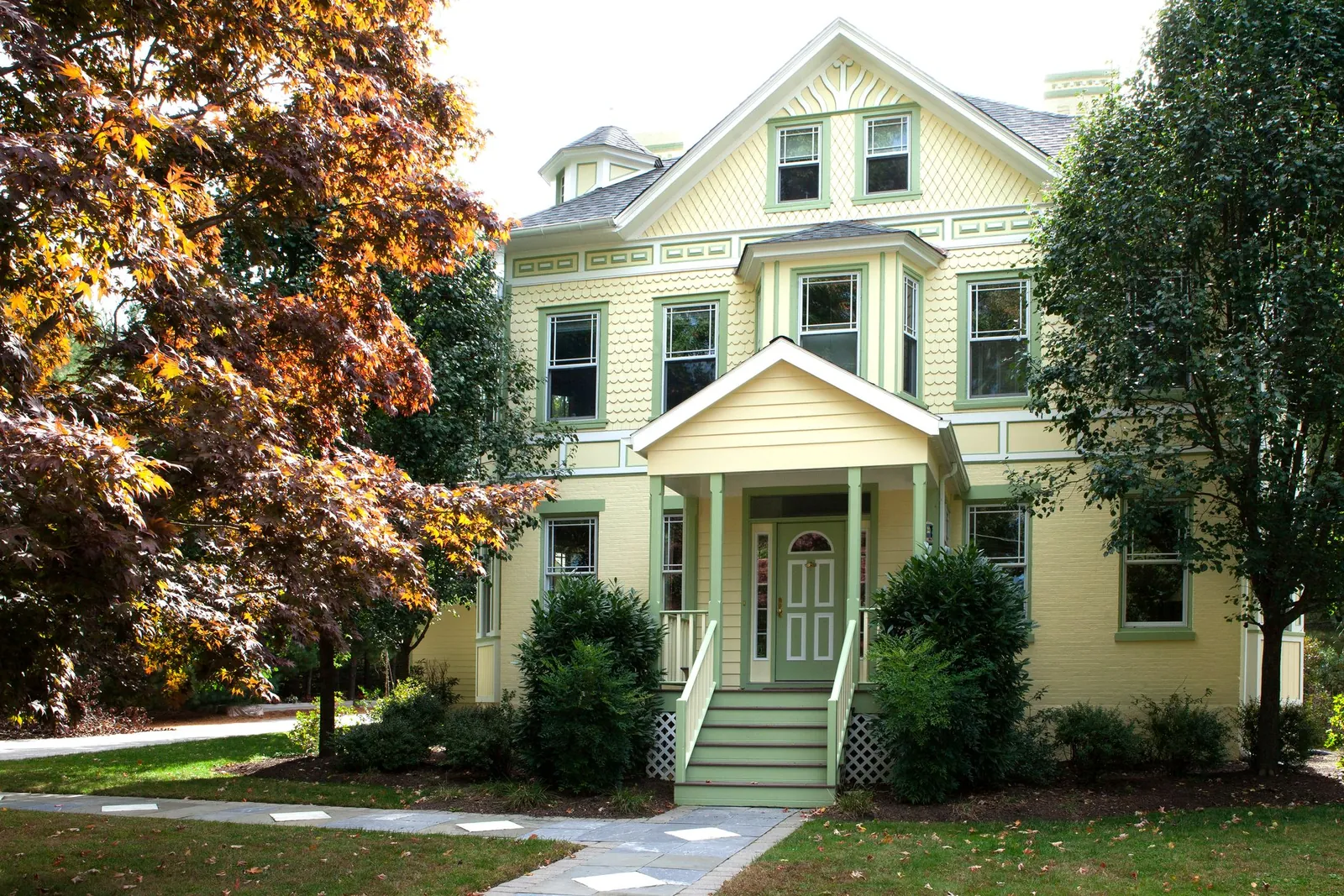
Not all vinyl siding looks or behaves identically. Traditional clapboard and Dutch lap profiles create horizontal overlaps and shadow lines that need even paint coverage in the recessed areas, not just the exposed face, or the finished look will read as patchy from an angle. Board-and-batten and vertical profiles common on some newer Atlanta builds have their own seam patterns that require the same attention. Textured, wood-grain-embossed vinyl, a popular factory finish, can also absorb and release paint slightly differently across its texture than smooth vinyl, which is worth testing on a small section before committing to the whole house and its full square footage.
Knowing your siding's specific profile and texture before requesting quotes helps a contractor give you an accurate estimate, since more complex profiles generally take longer to spray and back-brush evenly than a simple flat panel across the same total square footage.
Why Color Darkness Matters More on Vinyl Than Any Other Material
How dark colors cause heat warping
Vinyl siding softens at a lower temperature than most other cladding materials, and dark colors absorb significantly more solar heat than light ones. A panel that gets too hot in direct summer sun can warp, buckle, or separate from its fastening system, a problem unique to vinyl among common siding materials. This is measured using Light Reflectance Value, or LRV, a scale describing how much light, and by extension heat, a color reflects versus absorbs. Vinyl siding manufacturers and vinyl-safe paint lines publish minimum LRV thresholds, and colors below that threshold are not recommended regardless of how good the paint itself is.
This is precisely why homeowners hoping to go dramatically darker than their existing vinyl color need to check LRV before falling in love with a swatch. A rich charcoal that would be perfectly safe on fiber cement or wood siding can be genuinely risky on vinyl.
LRV is measured on a scale from roughly 0, representing a color that absorbs nearly all light and heat, to 100, representing a color that reflects nearly all of it. Most vinyl-safe paint programs set a minimum LRV somewhere in the high 30s to low 40s for standard vinyl, though the exact number varies by product line and by the siding's own factory specifications, since darker original panel colors are sometimes engineered with heat-resistant additives that lighter aftermarket paint may not replicate. A reputable paint retailer or manufacturer technical line can confirm the LRV of any specific swatch before you buy.
South- and west-facing walls, along with siding installed over dark house wrap or foam insulation board, run hotter than shaded, north-facing walls with a simple wood or OSB substrate underneath. A color that sits right at the LRV minimum might be perfectly safe on a shaded elevation but marginal on one that bakes in direct afternoon sun, which is another reason a single flat rule rarely covers every wall on the same house equally well, and why an experienced eye evaluating each elevation separately is worth more than a generic online chart.
Not sure if your color choice is vinyl-safe?
We can check LRV against your siding's specifications before you commit to a color.
Request a Free Estimate Call 770-847-2468Choosing a Vinyl-Safe Paint Product
Urethane-modified acrylic paint is the industry standard for vinyl siding, engineered to flex with the material's expansion and contraction rather than cracking the way a rigid standard exterior paint would. Many of these products also incorporate heat-reflective pigment technology designed to keep the surface cooler than a conventional paint of the same visual darkness, which effectively extends the range of colors that can be used safely. Using anything other than a product specifically labeled and rated for vinyl siding is the single most common way a vinyl repaint fails within the first year or two.
Beyond the base formulation, look for a product with documented adhesion testing specifically on vinyl substrates and clear label guidance on LRV limits for the colors it offers. A manufacturer confident in its vinyl performance will publish this information rather than leaving it to a paint counter associate's best guess, and a contractor experienced with vinyl repaints should be able to point to the specific product line and its vinyl-rated color options without hesitation.
Cleaning and Preparing Vinyl Siding Before Painting
Vinyl accumulates chalking, a powdery residue from UV breakdown, along with mildew, pollen, and general grime, especially in Atlanta's humid climate. All of this needs to be thoroughly washed away before painting, since paint applied over chalky residue will bond to the loose chalk rather than the siding itself and can peel away in sheets. A gentle pressure wash or a wash-down with a dedicated siding cleaner, followed by adequate drying time, gives the new paint a clean, stable surface to adhere to. Any cracked, warped, or loose panels found during this inspection should be repaired or replaced before painting, since paint cannot correct a physical defect in the siding.
A simple wipe test with a clean, dark cloth run across the siding tells you quickly whether chalking is present: if the cloth comes away visibly coated in a fine powder, more aggressive cleaning is needed than a quick rinse can provide. Overlapping panel seams and the underside of each course, areas easy to skip with a quick surface rinse, tend to hold the most trapped dirt and deserve deliberate attention during washing rather than being left to whatever water happens to reach them.
Application Considerations for Vinyl Siding
Vinyl's overlapping panel design creates natural gaps and lap lines that need even coverage without excessive buildup that could interfere with the panels' ability to expand and contract freely. Spraying is the most common professional application method, since it coats the overlapping profile evenly without the drag a brush or roller can create against the material's grain pattern. Application should also avoid the hottest part of a summer day, both for worker safety and because paint applied to an already-hot panel can behave unpredictably as it dries.
Adjacent surfaces, windows, doors, fixtures, and landscaping, need the same careful masking and protection during a spray application on vinyl as on any other exterior spray project, and wind conditions deserve extra attention since overspray can drift further than expected on a breezy day, particularly on taller two-story sections of a home.
Get a Vinyl-Specific Application Plan
We use vinyl-rated products and application methods matched to your siding profile and sun exposure.
Explore Exterior PaintingUnderstanding How Painting Affects Manufacturer Warranties
Vinyl siding manufacturers generally warranty the product against defects like cracking, fading, or warping under normal conditions, and painting with an improper product or an overly dark color can void that warranty if it directly causes the failure being claimed. Using a paint product specifically approved or recommended for vinyl, and staying within LRV guidelines, is the most reliable way to paint without creating a warranty conflict. If the original siding warranty still has meaningful time remaining, it is worth a quick call to the manufacturer or a review of the warranty documentation before painting begins.
Keep records of the paint product used, its LRV rating, and the date of application alongside your siding warranty paperwork. If a warranty question ever comes up years later, having that documentation on hand makes it far easier to demonstrate the project followed manufacturer-recommended practices rather than relying on memory of a decision made long before, especially if the home changes hands in the meantime.
Selecting Colors That Work Within Vinyl's Limits
Within the safe LRV range, vinyl-safe paint lines still offer a genuinely wide palette, including popular warm grays, soft blues, greens, and updated neutrals that look nothing like the limited factory color cards vinyl siding was once known for. Coordinating that color with trim, roofing, and a front door color is worth planning together rather than in isolation; our guide to front door paint color in Atlanta covers how to build out a full exterior palette once the siding color is set.
Sample boards, painted with the actual product on a real piece of vinyl or a large poster board, and viewed against your home at different times of day, remain the most reliable way to confirm a color before committing. A digital rendering tool can help narrow direction, but screen colors and simulated lighting cannot replace seeing the real product on the real material under real Georgia sun across a full afternoon.
How Long Paint Lasts on Vinyl Compared to Other Sidings
A properly prepared and painted vinyl surface, using a genuinely vinyl-rated product within safe LRV limits, can perform for many years, though the exact timeline depends heavily on sun exposure and the specific product chosen. South- and west-facing elevations under Georgia's strong summer sun will generally show wear sooner than shaded, north-facing walls. This general pattern, sun exposure driving most of the variation in coating lifespan, applies across siding materials, and our broader guide to exterior paint lifespan in Atlanta covers the underlying factors in more depth.
When Replacement Makes More Sense Than Painting
Painting is a strong option when vinyl siding is structurally sound but simply faded, dated in color, or chalky beyond what cleaning alone can fix. It stops being the right answer when panels are cracked, warped, buckling, or separating at the seams, since paint cannot repair a physical failure in the material itself, and painting over damaged siding can mask a problem that will only worsen behind the new coat. A thorough inspection before committing to either path prevents spending money on paint that a damaged panel was never going to hold anyway.
Cost is also worth weighing honestly. Painting a sound but dated exterior is almost always less expensive than a full siding replacement, which is exactly why it is such a popular option for homes that simply need a color refresh rather than structural repair. If more than a small percentage of panels show real damage, get a comparison estimate for replacement before assuming painting is automatically the cheaper path, since patch-replacing many individual panels can sometimes approach the cost of a broader re-siding project.
Common Mistakes When Painting Vinyl Siding
Using standard exterior paint instead of a vinyl-rated product
Standard paint lacks the flexibility vinyl needs and tends to crack or peel as the siding expands and contracts with temperature.
Choosing a color darker than the LRV limit
This is the single most common cause of heat-related warping on a painted vinyl exterior, and it is entirely avoidable by checking the number before buying paint.
Skipping the pre-paint cleaning
Painting over chalking or grime undermines adhesion regardless of how good the paint itself is.
Painting over cracked or warped panels
Paint cannot fix physical damage, and covering it up only delays a repair that will still need to happen.
Assuming every "exterior paint" product is vinyl-safe
Vinyl-rated formulations are a specific category, not a marketing detail. A general exterior paint bucket at a hardware store is not automatically appropriate for vinyl siding regardless of what the label implies about durability.
Our Approach to Vinyl Siding Projects
We inspect siding condition, confirm color choices against LRV guidelines, and use vinyl-rated products applied with methods suited to the material's expansion and contraction, so the finished result holds up to Georgia's sun rather than warping within a season. Review completed exteriors in our project gallery, learn more about our painting company, or confirm coverage on our service areas page.
Ready to refresh your vinyl siding the right way?
We can inspect your siding and provide a free, no-obligation estimate with a color and product plan built for vinyl.
Get Your Free EstimateFrequently Asked Questions
Can vinyl siding actually be painted?
Yes, with the right preparation and a vinyl-safe paint product. The main restriction is color darkness, since a color that absorbs too much heat can cause the siding to warp regardless of paint quality.
Does painting vinyl siding void the manufacturer warranty?
It can, if an improper product or an overly dark color directly causes warping or another failure covered by the warranty. Using a vinyl-rated paint within recommended LRV limits is the safest way to avoid a conflict.
How do I know if a paint color is too dark for vinyl siding?
Check the paint's Light Reflectance Value, often listed on the product label or available from the manufacturer. Vinyl-safe paint lines specify a minimum LRV, and colors darker than that threshold carry a real risk of heat-related warping.
What paint should be used on vinyl siding?
Urethane-modified acrylic paint formulated specifically for vinyl is the standard choice. These products are designed to flex with vinyl's expansion and contraction and typically include heat-reflective technology to reduce warping risk.
How long does paint last on vinyl siding?
A properly prepared and painted vinyl surface using a vinyl-safe product can last many years, though performance depends heavily on sun exposure, color choice, and how well the siding was cleaned before painting.
Is it better to paint or replace old vinyl siding?
Painting makes sense when the siding is structurally sound but faded or dated in color. Replacement is the better option when panels are cracked, warped, or failing at the seams, since paint cannot correct physical damage.

About Impeccable Painting Services
We help Metro Atlanta homeowners repaint vinyl siding safely, using vinyl-rated products and color guidance that respects the material's real limits.
Sources: Vinyl Siding Institute; exterior coating manufacturer technical data sheets for vinyl-rated products should govern specific LRV and application decisions.