Somewhere between choosing a crib and packing a hospital bag, most expecting parents also stand in a paint aisle wondering if the can in their hands is actually fine for the room their baby will spend the most time in. It's a reasonable question, and the answer is more specific than "just get the green label," even if that label is a genuinely useful starting point.
Low VOC Paint for Nursery Atlanta: The Practical Answer
Volatile organic compounds are chemicals that off-gas from paint, adhesives, and many household products as they dry and cure, and they are a normal, well-understood part of how paint chemistry works, not a sign of a defective product. The goal for a nursery is simply to choose a product engineered to minimize that off-gassing, give it time and airflow to finish curing, and use that same window to knock out other pre-baby projects while the room isn't yet in daily use, rather than treating every step as an emergency.
Our interior painting team in Atlanta works with low-VOC and zero-VOC product lines regularly and can walk through label claims, timing, and color together during a single estimate visit, before the due date pressure sets in.
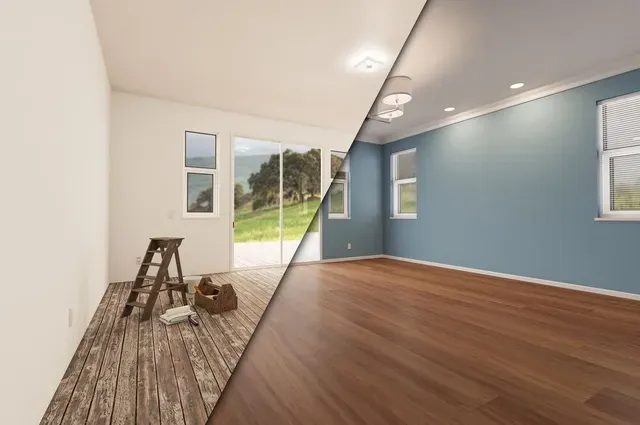
Why VOCs Matter More in a Nursery Than Any Other Room
Every room in a home benefits from lower indoor air pollutant levels, but a nursery gets extra attention for good reason: infants breathe more rapidly relative to their body size than adults, spend more consecutive hours in one room, and cannot move themselves away from a lingering odor or open a window if something feels off. The U.S. EPA's overview of VOCs and indoor air quality notes that levels of many VOCs are consistently higher indoors than outdoors, and that concentrations can rise noticeably during and shortly after activities like painting, which is exactly the window a well-timed nursery project is designed to get ahead of.
None of this means a normally painted nursery is unsafe once fully cured and ventilated. It simply means the extra care, product selection, timing, and airflow, is worth the modest additional planning for a room where a newborn will spend a significant amount of early life.
It's also worth keeping this in proportion. Many everyday household items, new furniture, mattresses, carpet, and cleaning products, off-gas some level of VOCs as well, and a nursery does not exist in a chemical-free bubble regardless of how carefully the walls are painted. The goal is a reasonable, well-informed reduction in one specific, controllable source, not an unattainable standard of zero exposure to anything.
Reading Paint Labels: Low-VOC, Zero-VOC, and What They Actually Mean
"Low-VOC" and "zero-VOC" describe the paint's VOC content before colorant is added at the store, and adding tint, especially darker, more saturated colors, can increase the final VOC content somewhat even in a nominally zero-VOC base. This is a detail worth asking about directly when selecting a color, since a deep, richly pigmented shade in a zero-VOC line may not be quite as low as the base can implies once mixed. Reputable manufacturers can tell you the VOC content after tinting for a specific color if asked, rather than relying on the unmixed base number alone.
Regulatory VOC limits, the numbers referenced on most paint cans, describe grams of VOC per liter of paint and vary by paint type and by state regulation. These thresholds are a useful baseline, but they are a regulatory ceiling rather than a guarantee of the lowest possible emissions; two products can both legally claim "low-VOC" while differing meaningfully in their actual VOC content, which is another reason to compare specific technical data sheets rather than shopping by label language alone.
Understanding Third-Party Certifications
Not all "natural" or "eco" claims are independently verified
Marketing terms like "natural," "eco-friendly," or "family safe" are not standardized and can mean very different things across brands. Independent certification programs, such as UL's GREENGUARD Certification program, test finished products against defined chemical emission limits rather than relying on a manufacturer's own marketing language. A product carrying an independent certification mark generally offers more verifiable assurance than a label claim alone, particularly for a room where you're specifically trying to minimize a newborn's exposure to emissions.
Look for the certification mark itself on the product or its technical documentation rather than assuming a general "green" claim implies the same testing standard. A quick search of the certifying body's product database can confirm whether a specific product and color line is actually listed, which takes only a few minutes and removes any doubt before purchase.
Not sure which product actually fits your nursery timeline?
We can walk through label claims, certifications, and color options together during your estimate.
Request a Free Estimate Call 770-847-2468Timing the Project Before Baby Arrives
Painting the nursery four to six weeks before the due date is a widely recommended rule of thumb, giving the room ample time to fully cure and any residual odor to dissipate completely before it becomes the baby's primary environment. This timeline also builds in a buffer for early arrivals, which are common enough that "I'll paint it the week before" is a riskier plan than it might seem during a calm second trimester. Scheduling the nursery early in a broader pre-baby project list, rather than saving it for last, tends to reduce stress considerably as the due date approaches.
Second and third trimesters both work reasonably well for scheduling the project itself, though many parents prefer to complete it before the final weeks when energy levels and mobility make coordinating contractors, furniture delivery, and last-minute color decisions more difficult. If a baby shower or gender reveal is planned in the room, factor that event into the schedule as an earlier deadline than the due date itself, since photos and guests generally look better against a finished room than a half-painted one.
Ventilation During and After Painting
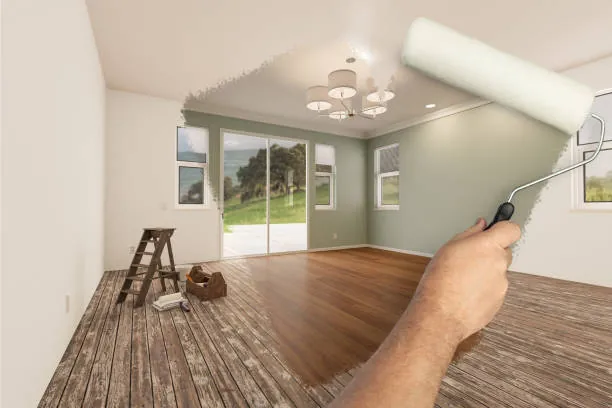
Open windows, run fans to move air out rather than just around the room, and keep the door closed to the rest of the house during application so odor doesn't spread while it's strongest. Continue active ventilation for at least the first few days after painting, even after the surface feels dry to the touch, since curing continues beneath the surface for longer than visible drying suggests. Pregnant occupants and anyone with respiratory sensitivities are often better off avoiding the freshly painted room entirely during this initial period, returning once airflow has had adequate time to clear residual odor.
Atlanta's climate offers a practical advantage here for much of the year: mild spring and fall temperatures make it comfortable to leave windows open for extended stretches without heating or cooling the whole house excessively. A summer project may call for running air conditioning with the nursery door open and a fan pulling fresh air through, since closing windows against the heat and humidity would otherwise trap odor in rather than clearing it.
Let Us Handle the Timing and Ventilation Details
We plan nursery projects around your due date and manage ventilation so the room is ready well ahead of time.
Explore Interior PaintingCalming, Practical Color Choices for a Nursery
Soft neutrals, muted sage and olive greens, and gentle dusty blues remain the most requested nursery colors because they read as calm rather than stimulating and adapt easily as a child grows past the infant stage into toddlerhood. Most low-VOC and zero-VOC product lines now offer a genuinely full color range, so choosing a safer product no longer means settling for a narrow, uninspired palette the way it sometimes did years ago. Our broader guide to interior paint colors in Atlanta covers testing and undertone selection in more depth if you want to explore beyond the most common nursery shades.
Gender-neutral palettes remain popular for parents who choose not to learn or share the baby's sex before birth, and for families planning to reuse the room for future children regardless of gender. Warm terracottas and clay tones have also grown in popularity recently as an alternative to the more traditional pastel nursery look, offering a cozier, more grounded feel that tends to age well as the room transitions from nursery to toddler bedroom.
Trim, Ceilings, and Accent Wall Treatments
A nursery's trim and ceiling deserve the same low-VOC consideration as the main wall color, and they also offer an easy way to add interest without overwhelming a small room. A soft white or the same wall color carried onto the trim in a different sheen keeps things simple, while a painted ceiling, in a pale, muted tone, has become a popular way to add a gentle sense of coziness overhead without introducing a second wall color to test and coordinate.
Accent walls remain a common nursery request, whether as a solid contrasting color, a simple painted stripe pattern, or a scalloped or geometric design behind the crib. Whatever the design, test the same low-VOC product and let the same cure and ventilation timeline apply to the accent treatment as to the rest of the room, since it is easy to treat a "small" accent wall as an afterthought that skips the same careful planning as the main walls.
Furniture, Trim, and Other Surfaces in the Room
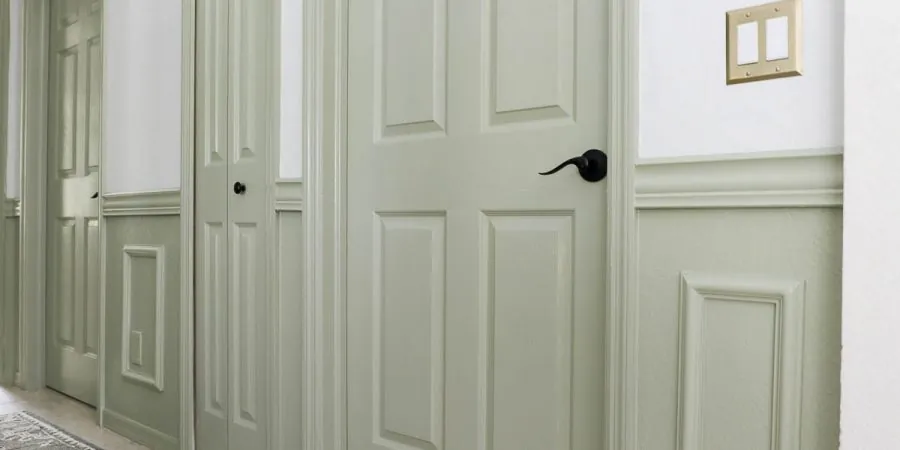
A nursery repaint often includes more than just the walls. Trim, closet doors, and built-ins should use the same low-VOC standard as the walls, since they are just as much a part of the room's air quality picture. If refinishing a dresser, bookshelf, or an heirloom crib rail into a changing table, use a low-VOC product there as well and allow full cure time before the piece is used, particularly for anything the baby will touch or mouth directly as they grow into a toddler.
Closet interiors are easy to overlook but deserve the same attention, since a closet door left open for organizing tiny clothes and supplies effectively becomes part of the room's air volume rather than a sealed-off space. If new flooring, carpet, or an area rug is also part of the nursery refresh, coordinate installation timing so multiple sources of new-material odor aren't overlapping in the room's final weeks of preparation.
Preparing an Older Home's Nursery Room
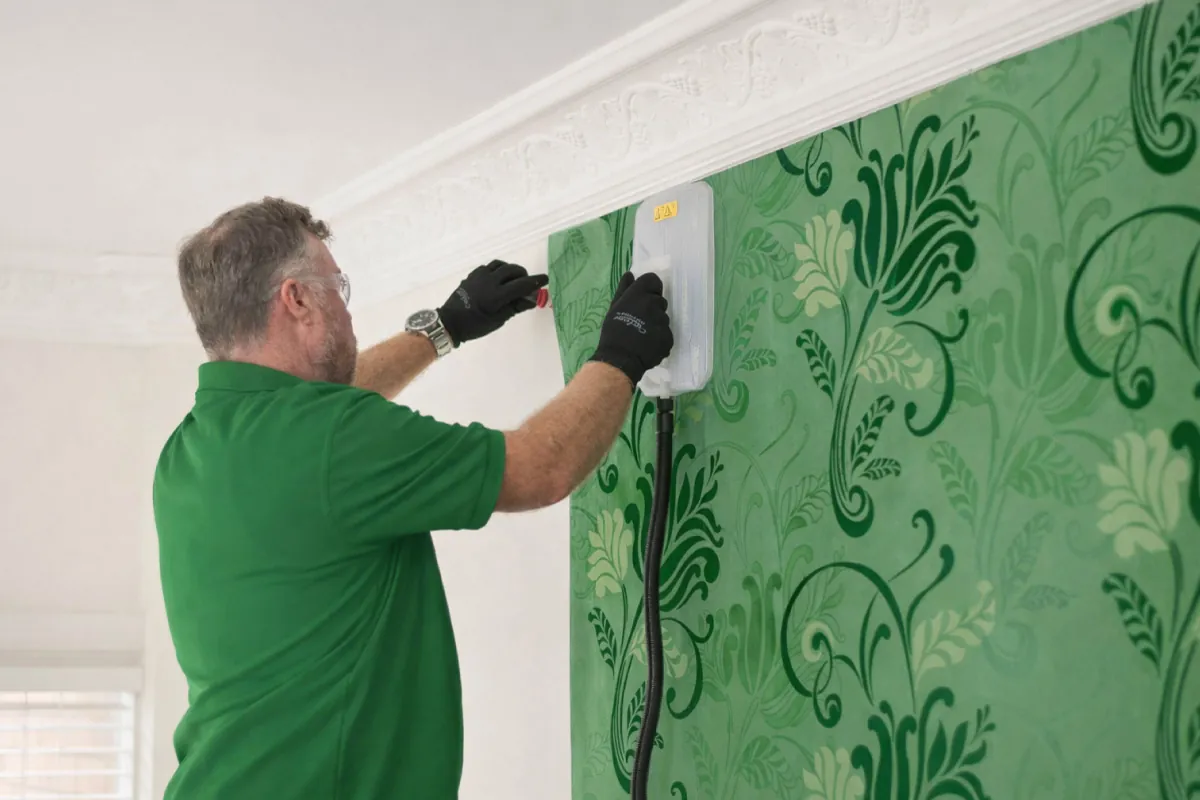
If the nursery is in a home built before 1978, preparation needs to account for lead as well as VOCs, since these are two entirely separate hazards with different rules. Sanding or scraping old paint in a pre-1978 home should follow lead-safe work practices regardless of how low-VOC the new topcoat will be, and skipping that step because the new paint is "safe" misunderstands what each precaution is actually protecting against. Our detailed guide to lead paint safety in Atlanta covers testing, containment, and safe preparation for older homes in full, and is worth reading alongside this one for any pre-1978 property.
When to Test for Lead in Addition to Choosing Low-VOC Paint
Test for lead before any sanding or scraping begins if the home's age is unknown or predates 1978, regardless of how confident anyone is that "it's probably fine." A quick test kit or a certified inspector's visit is inexpensive compared to the cleanup a missed lead disturbance can create, and it removes the guesswork entirely before the nursery becomes off-limits to finish a rushed, late-timeline project under real time pressure.
Practical Timing Around Registries, Showers, and Furniture Delivery
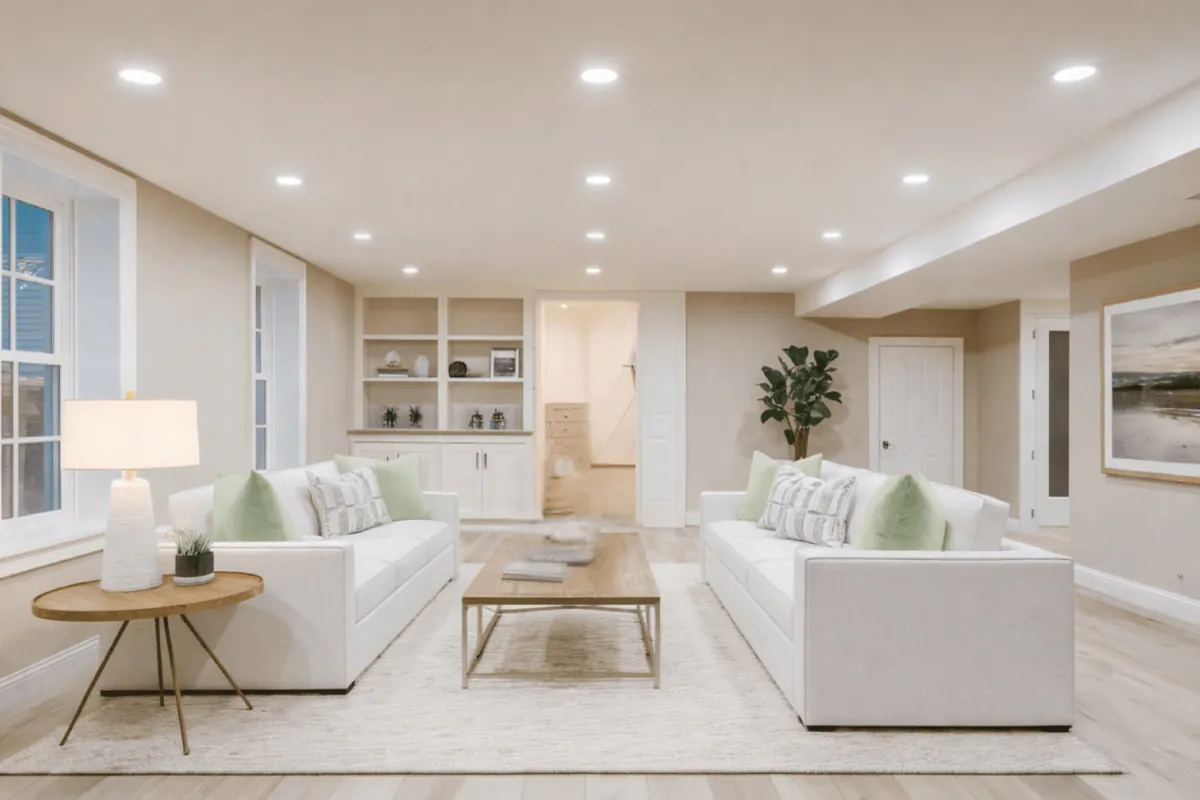
Coordinate the paint timeline with crib and furniture delivery dates, since a freshly painted room needs to finish off-gassing before large furniture is moved in and positioned against the walls. Many parents also plan the nursery reveal around a baby shower; scheduling paint early enough that the room is fully finished, furnished, and photo-ready well before that event avoids a last-minute scramble layered on top of an already busy season.
Registry timing can work in your favor here. Many baby registries recommend finalizing large furniture orders in the second trimester specifically because of manufacturing and shipping lead times, which lines up naturally with painting the room slightly ahead of furniture arrival rather than trying to schedule both for the same week.
Common Mistakes When Painting a Nursery
Assuming any low VOC paint for nursery projects works the same way
Low-VOC and zero-VOC describe different content levels, and tinting can shift the final number for either one. Ask for specifics rather than treating any single label as an absolute guarantee across every color in a product line.
Painting too close to the due date
A rushed timeline leaves little buffer for an early arrival and less time for full cure and ventilation before the room is used.
Skipping lead testing in an older home
Choosing a low-VOC topcoat does not address a separate lead hazard if old paint underneath is disturbed without proper precautions.
Closing the room up immediately after painting
Cutting ventilation short right after the paint feels dry to the touch does not give the coating enough time to finish curing beneath the surface.
What Happens During a Professional Low-VOC Painting Visit
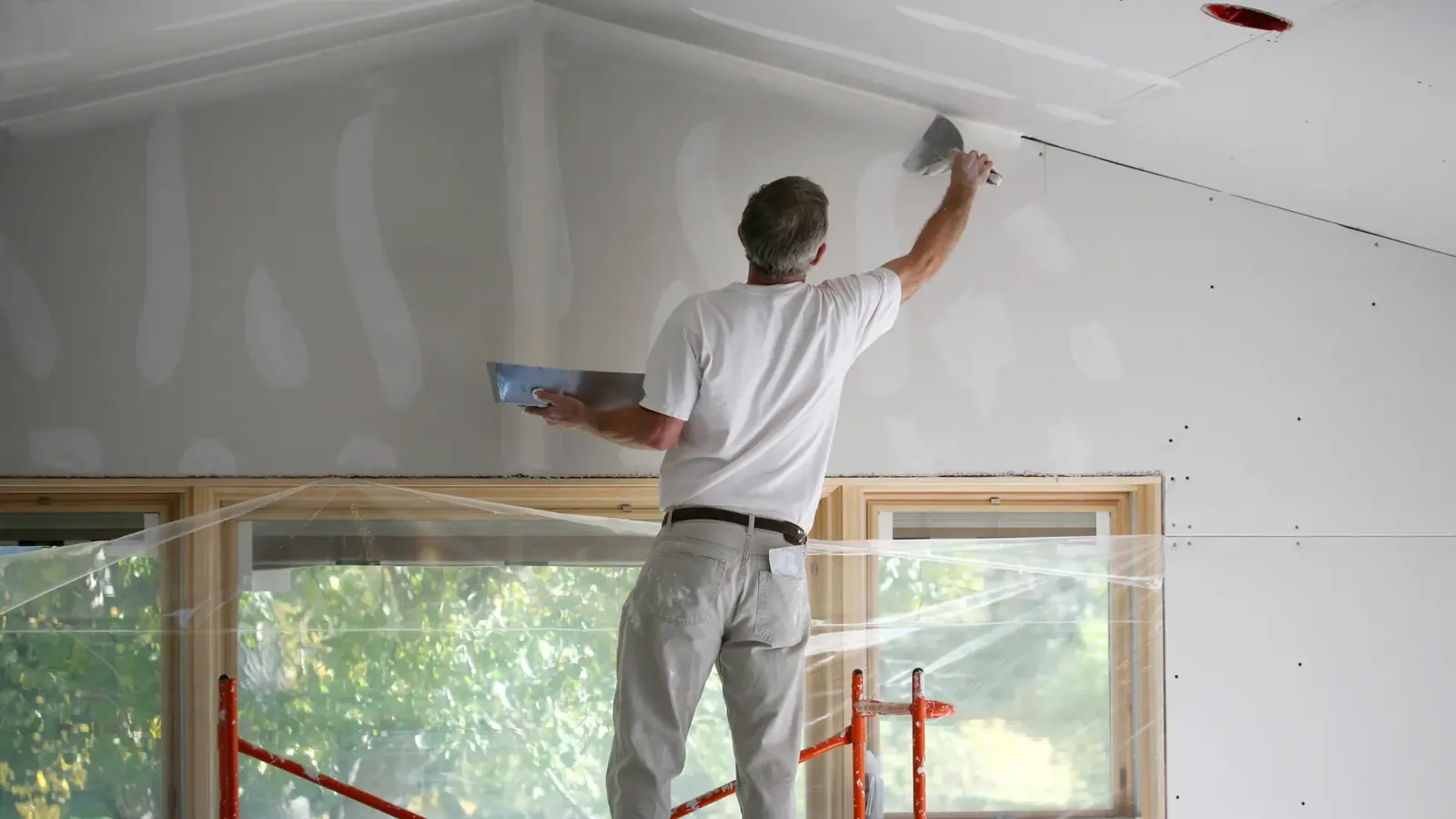
A thoughtful nursery project starts the same way any interior repaint should: inspecting the walls for repairs, discussing color and sheen, and confirming the timeline against a due date. From there, the specific product line is chosen with VOC content, after tinting, verified rather than assumed, and any drywall patching or trim repair uses compatible low-VOC filler and primer rather than mismatched standard products that could undercut the effort elsewhere. Furniture and flooring are protected the same way as any other room, and the crew plans ventilation, open windows, fans directing air outward, throughout the application and initial cure period.
A final walkthrough confirms coverage, checks trim lines, and reviews the ventilation plan for the days immediately following, so parents know exactly when the room will be ready for furniture and, eventually, for the baby.
Our Approach to Nursery Painting Projects
We help parents choose verified low-VOC or zero-VOC products, plan timing around a due date, and coordinate lead-safe preparation when a home's age calls for it, so the room is genuinely ready well before it needs to be. Review completed rooms in our project gallery, learn more about our painting company, or confirm coverage on our service areas page.
Ready to plan the nursery with confidence?
We can recommend a product, timeline, and color plan built around your due date and home's age.
Get Your Free EstimateFrequently Asked Questions
How long before baby arrives should the nursery be painted?
Painting four to six weeks before the due date, with good ventilation during and after, gives even low-VOC paint ample time to fully cure and lets any lingering odor dissipate well before the room is used.
Is zero-VOC paint really free of all chemicals?
Not entirely. Zero-VOC describes the unmixed base paint meeting a very low regulatory threshold, but adding colorant can introduce some VOC content, and no paint is completely free of every chemical compound. It represents the lowest practical emission category, not an absolute zero.
Do I need special paint for a crib or nursery furniture?
Furniture intended for direct infant contact should meet relevant consumer safety standards regardless of paint VOC content. If refinishing furniture, use a low-VOC product and allow full cure time before the item is used.
Should I test my older home for lead before painting a nursery?
Yes, if the home was built before 1978. Lead and VOC content are separate concerns, and an older home may need both a low-VOC product and lead-safe work practices during preparation.
What colors work well in a low-VOC nursery paint?
Soft neutrals, muted greens, and gentle blues remain popular for their calming effect, and most low-VOC and zero-VOC product lines now offer these colors without limiting you to a narrow palette.
Can I stay in the house while the nursery is being painted?
Most low-VOC projects allow the rest of the home to remain occupied with the door closed and windows open in the work area, though pregnant occupants may prefer to avoid the room itself until ventilation has cleared any odor.

About Impeccable Painting Services
We help Metro Atlanta families prepare calm, safely painted nurseries with verified low-VOC products, thoughtful timing, and lead-safe practices when needed.
Sources: U.S. EPA: VOCs and indoor air quality; UL GREENGUARD Certification Program.