Painting brick is one of the few exterior updates that almost never gets undone once it's done. Before that roller touches the mortar joints, it's worth understanding exactly what you're trading away, and what you're gaining, because both sides of that trade are real.
Painting Brick Exterior Atlanta: The Practical Answer
Brick is one of the most durable, weather-resistant cladding materials used on Atlanta homes, which is exactly why the decision to paint it deserves more thought than choosing a wall color indoors. Unlike interior paint, this is not something you casually change again next year. Removing paint from brick is difficult, expensive, and rarely returns the brick to its original appearance, which is exactly why this guide leads with the tradeoffs rather than the color inspiration.
Our exterior painting team in Atlanta walks homeowners through this decision before any product goes on the wall, because the right answer depends entirely on your specific brick, your home's history, and your long-term plans.
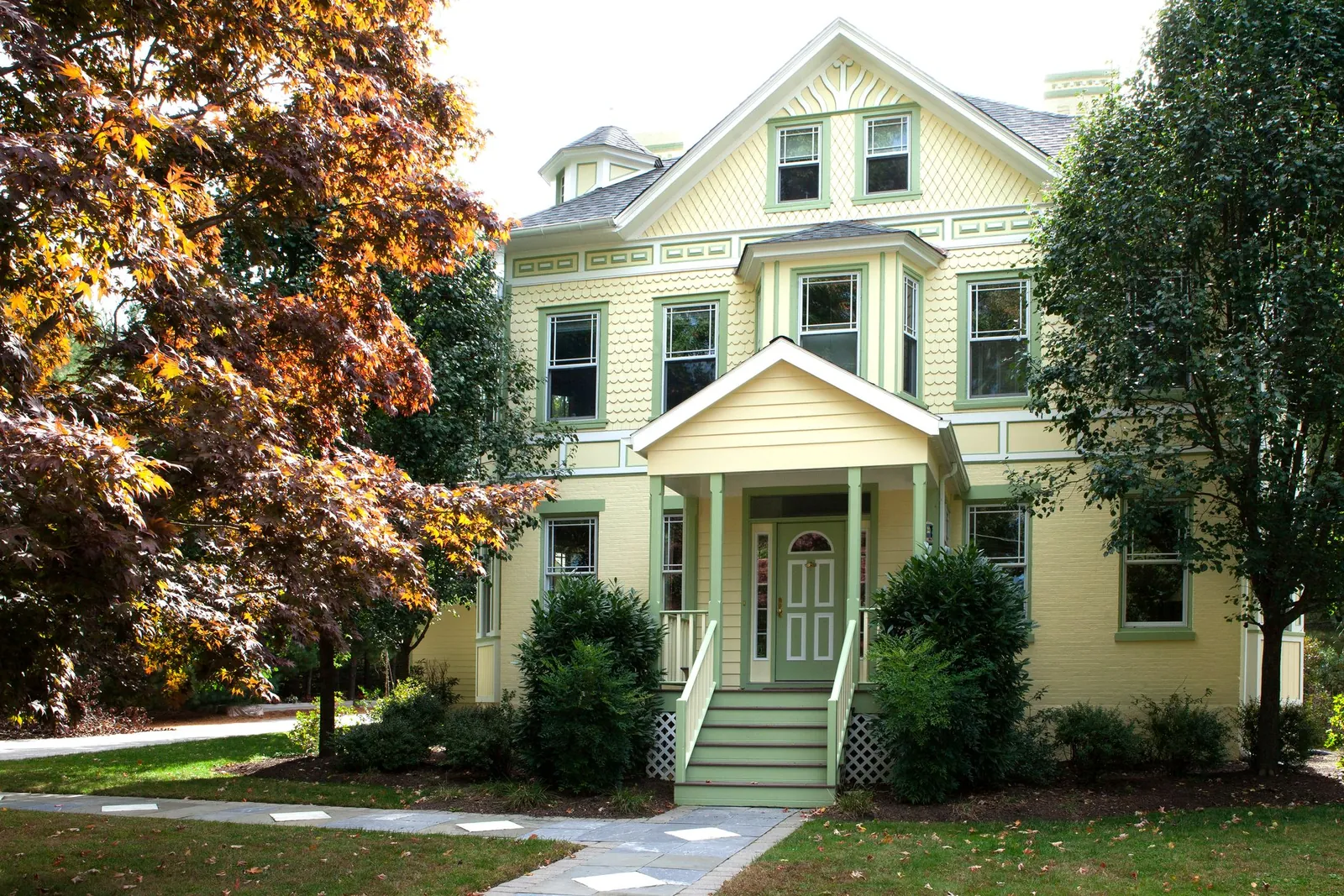
Why Painting Brick Is a Largely One-Way Decision
Painting brick exterior surfaces is difficult and expensive to reverse
Once brick has been painted, removing that coating to expose bare masonry again typically requires chemical stripping, media blasting, or aggressive mechanical methods, all of which carry real risk of damaging the brick face, the mortar joints, or both. Even a technically successful stripping job rarely restores brick to a truly "never painted" appearance, since porous brick can absorb pigment and stripping chemicals can alter its surface texture permanently. For most homeowners, once brick is painted, it stays painted, and the real decision is what color and how well it's maintained going forward.
This is fundamentally different from painting siding, trim, or drywall, where a color change is simply another coat away. Brick asks you to think several owners ahead, not just about next season's curb appeal. Sleep on the decision, look at real examples in your own neighborhood if any exist, and resist the pressure of a single inspiring photo online carrying more weight than it should in a decision this permanent.
Brick Needs to Breathe: Understanding Moisture Vapor Transmission
How the wrong paint can trap moisture inside brick
Brick and mortar are porous materials that naturally absorb and release moisture vapor as humidity and temperature change throughout the day and across seasons. This "breathing" is a feature, not a flaw, since it allows any moisture that gets into the wall assembly, from rain, humidity, or minor cracks, to escape gradually rather than becoming trapped. A coating that forms an impermeable film on the surface can interrupt that process, and moisture trapped behind an unbreathable film can contribute to spalling, where the face of the brick flakes and pops off, along with efflorescence and accelerated mortar deterioration.
This is precisely why product selection for painting brick is not interchangeable with standard exterior wall paint. A coating engineered specifically for masonry, with documented vapor permeability, protects the substrate in a way an ordinary acrylic house paint was never designed to.
Limewash and Mineral Paint vs. Standard Acrylic Paint
Limewash, a centuries-old coating made from hydrated lime, has surged back into popularity for its soft, mottled, breathable finish that lets some of the brick's natural texture and color variation show through. Because it bonds chemically with masonry through a process called carbonation rather than simply drying as a surface film, limewash remains highly breathable and tends to wear by gently fading and eroding rather than peeling or cracking, which also makes future touch-ups blend more forgivingly.
Mineral silicate paints offer another breathable option, bonding to masonry at a molecular level while providing more complete, opaque coverage than limewash typically achieves. Standard acrylic exterior paint, by contrast, is the least breathable of the common choices and, if used, should be a product specifically formulated and rated for masonry rather than a general-purpose exterior wall paint.
The visual difference between these options is significant, and worth understanding before choosing based on price alone. Limewash produces a chalky, variegated, almost cloud-like finish where thin and thick areas of pigment settle differently across the brick's texture, no two walls, or even two coats, look quite identical. Mineral paint gives a flatter, more consistent, fully opaque result closer to what people typically picture as a "painted brick" look. Acrylic masonry paint sits between the two, offering solid, uniform coverage with a slightly more plastic-looking sheen than either mineral option, though quality varies considerably between products marketed for this use.
Not sure which coating fits your brick?
We can evaluate your brick's condition and recommend limewash, mineral paint, or a masonry-rated coating based on your goals.
Request a Free Estimate Call 770-847-2468When Painting Brick Actually Makes Sense
Painting brick is a strong option when the brick itself has become a liability rather than an asset: patchwork repairs using mismatched brick from a different era or supplier, brick that has been inconsistently painted by a previous owner and cannot be fully stripped, extensive staining that cleaning cannot resolve, or a home where the original brick color simply clashes with a renovation or addition. In these situations, a well-executed limewash or masonry paint can unify a facade far more successfully than any amount of cleaning or spot repair.
It makes less sense on brick that is in excellent, uniform condition purely because a trend has caught your eye. Trends shift, and a beautifully aged, natural brick facade is not something you can get back once it's gone.
Brick Styles and Eras Common Across Metro Atlanta
Atlanta's brick housing stock spans several distinct eras, and each responds a little differently to a painting decision. Handmade or early-1900s brick found in neighborhoods like Grant Park and Inman Park often carries rich, irregular color variation and softer, more porous faces, which tends to take limewash beautifully since the material's natural texture still shows through. Mid-century brick ranches, common throughout Decatur, Marietta, and unincorporated Cobb and DeKalb counties, frequently feature more uniform, machine-made brick that can look flat or dated in its original color, making these homes strong candidates for a confident paint or limewash update.
Newer construction in Alpharetta, Johns Creek, and other rapidly built suburbs often uses thin-brick veneer over a different wall assembly entirely. This still requires masonry-appropriate products and cleaning, but the underlying structure behind the brick face is different enough from a solid masonry wall that a contractor familiar with both older and newer construction methods is worth having on the estimate visit.


Choosing a Color for Painted Brick
Warm whites, soft greiges, and muted off-whites remain the most requested colors for painted brick because they read as timeless rather than trend-driven and pair naturally with a wide range of trim, roof, and landscaping combinations. Deeper colors, charcoal, black, and deep green among them, are gaining ground for a more dramatic, modern look, particularly on homes with clean architectural lines. Whatever direction you lean, sample a large area on an inconspicuous section of the actual brick and view it across a full day of Georgia sun before committing to the whole house. For coordinating the front door once the brick color is set, our guide to front door paint color in Atlanta covers pairing strategies in more depth.
Roof color deserves a place in this decision too, since it is the one major exterior element that almost never changes at the same time as a brick repaint. A warm-toned roof can fight a cool white brick, while a neutral gray or brown roof tends to give a painted brick color more flexibility to lead the overall composition.
Preparing Brick for Paint
Preparation determines whether a brick paint job looks intentional or amateurish within a year. Brick needs to be thoroughly cleaned to remove dirt, mildew, and efflorescence, with any active efflorescence addressed at its moisture source rather than simply scrubbed away. Loose or crumbling mortar joints should be repointed before painting, since paint applied over failing mortar will crack and fail at the same joints. The brick must also be allowed to fully dry, often for several days after cleaning, before any coating is applied, since trapping residual moisture beneath a fresh coat undermines the entire project from day one.
A diluted masonry cleaner is generally preferred over harsh acid washes, which can etch the brick surface and alter its texture permanently. When stubborn efflorescence or biological growth requires a stronger approach, any acidic cleaner should be used carefully, at the correct dilution, with the surrounding landscaping protected and thoroughly rinsed afterward, since runoff can damage plants and stain adjacent hardscaping if left unmanaged.
Testing a small, inconspicuous section first, ideally a full square of brick including a few mortar joints, lets you confirm both the cleaning approach and the chosen coating before the entire facade is committed. This step also gives you one last honest look at the color and texture under real daylight before the larger project begins.

Application Method: Spray, Roll, or Brush on Brick
Brick's textured, irregular surface makes even coverage more challenging than a flat wall. Spraying followed by back-rolling is a common professional method, since spraying alone can leave the deep texture of mortar joints and brick faces under-coated while rolling alone can be slow and uneven across a large facade. Limewash is traditionally applied with a natural bristle brush in a specific technique that works the material into the surface rather than simply laying down a film, which is part of why its mottled, artisanal look is difficult to replicate with a roller.
Weather conditions during application matter as much on brick as anywhere else on the exterior. Direct, intense sun can cause a coating to dry too quickly on the surface before it has properly bonded to the masonry beneath, so many crews schedule brick work for cooler morning hours or overcast days when Atlanta's calendar allows it.
Get the Right Application Plan for Your Facade
We match technique to product, whether that's a sprayed-and-rolled masonry coating or a hand-applied limewash finish.
Explore Exterior PaintingLong-Term Maintenance of Painted Brick
Once brick is painted, it joins the same maintenance cycle as any other painted exterior surface, meaning periodic cleaning, inspection for peeling or chalking, and a full repaint roughly every seven to ten years depending on sun exposure and product quality. Limewash ages differently than standard paint: instead of peeling in sheets, it tends to soften and lighten gradually, which many homeowners find easier to touch up incrementally rather than waiting for a full repaint. Either way, this is an ongoing commitment that unpainted brick, which can go decades with only occasional cleaning, never required.
South- and west-facing walls that receive the most direct Georgia sun will generally show wear first, so an annual walk-around inspection focused on those elevations catches small issues, hairline cracking, a chalky residue on your hand after touching the wall, early efflorescence, before they become a full repaint. Keeping gutters clear and downspouts extended away from the foundation protects painted brick the same way it protects any other exterior finish, since water running down a wall repeatedly will wear a coating faster than sun exposure alone.
Alternatives to Full Paint Coverage
If full commitment to paint feels premature, several lighter-touch alternatives exist. A German smear or brick washing technique applies mortar or limewash unevenly across the brick face, softening color and texture while leaving significant brick showing through, an effect that is easier to walk back than full coverage. Deep cleaning and repointing alone can dramatically improve a tired-looking facade without introducing any coating at all. Sealants that enhance and protect brick's natural color without changing it are another option worth discussing before committing to a full paint or limewash project.
A German smear in particular has become popular precisely because it splits the difference: it delivers much of the visual softening homeowners are chasing when they consider painting brick, while leaving enough of the original material exposed that the change reads as intentional texture rather than a full color commitment. It still requires the same cleaning and mortar prep as a full paint job, so it is not necessarily a shortcut on labor, only on how much of the brick's original character remains visible afterward.
Cost Considerations of Painting vs. Alternatives
Painting or limewashing brick typically costs more upfront than a standard siding repaint of similar square footage, due to the additional cleaning, mortar repair, and specialized products involved. Factor in the recurring repaint cycle this decision creates, and the lifetime cost of painted brick is meaningfully higher than leaving brick unpainted and simply cleaning it periodically. That tradeoff is often worth it for the aesthetic and unification benefits, but it deserves to be weighed honestly rather than treated as a simple cosmetic upgrade.
Ask any contractor bidding the project to separate cleaning, mortar repair, and coating costs in the written estimate, rather than a single lump sum. Mortar repair scope in particular can vary widely once cleaning reveals the true condition of the joints, and a transparent breakdown makes it easier to understand what is driving the total price and to compare bids on equal footing.
Common Mistakes When Painting Brick Exteriors
Using standard wall paint instead of a masonry-rated product
A non-breathable film on brick invites moisture problems that a properly formulated masonry coating avoids.
Skipping mortar repair before painting
Paint applied over failing mortar joints cracks and fails in the same locations almost immediately.
Painting brick with an active moisture problem
Sealing a wet or leaking wall behind paint accelerates damage rather than solving it. Moisture sources need to be resolved first.
Rushing the color decision
Because this decision is difficult to reverse, testing large samples across a full day of light is worth the extra week it takes.
Ignoring how the change reads to future buyers
Painted brick is polarizing to some buyers who specifically want natural masonry. If resale within the next several years is a realistic possibility, it is worth weighing that preference alongside your own, since it directly affects how the home is marketed later.
Our Approach to Brick Exterior Projects
We start with an honest conversation about your brick's condition, your goals, and whether limewash, mineral paint, or a masonry coating fits best, then handle cleaning, mortar coordination, and application as one connected project, so the decision is made with full information rather than under sales pressure. Review completed exteriors in our project gallery, learn more about our painting company, or confirm coverage on our service areas page.
Thinking about painting your brick exterior?
We can inspect your home and provide a free, no-obligation estimate covering both paint and limewash options.
Get Your Free EstimateFrequently Asked Questions
Is painting brick exterior a good idea?
It depends on the brick's condition and your long-term plans. Painting brick is largely permanent and commits you to a repainting cycle going forward, so it works best when the brick is already mismatched, damaged, or simply not the look you want to maintain.
Can painted brick be returned to its natural look?
Not fully. Stripping paint from brick requires chemical or mechanical methods that carry real risk of damaging the brick face or mortar, and even a successful strip rarely restores the original, never-painted appearance.
What is the difference between limewash and regular paint on brick?
Limewash is a mineral-based coating that bonds chemically with masonry and remains breathable, allowing moisture vapor to pass through. Standard acrylic paint forms a continuous film on the surface, which can trap moisture if the brick was not properly prepared and dried first.
Does painting brick void anything or cause damage?
Paint itself does not damage sound, dry brick, but sealing moisture inside brick that has an existing water intrusion problem can accelerate spalling and mortar failure. Addressing moisture issues before painting is essential.
How often does painted brick need to be repainted?
Painted brick typically needs repainting every seven to ten years depending on sun exposure, product, and preparation quality, which is a maintenance cycle unpainted brick never requires.
Should I paint or limewash my brick fireplace or chimney?
Limewash is often preferred on chimneys and fireplaces because it maintains breathability important for masonry exposed to heat and weather, though either option should follow proper cleaning and testing first.

About Impeccable Painting Services
We help Metro Atlanta homeowners make confident, well-informed exterior decisions, from full repaints to specialized brick and masonry coatings.
Sources: Brick Industry Association; Romabio Paints, mineral and limewash coatings.